

Side-Impact Collision Who's At Fault UK?

Legal Writer
Side Impact Collision – Understanding Fault In The UK
When the front of one car hits the side of another, it’s called a “T-bone” crash. They’re common at junctions, roundabouts, and car-park exits, especially when a driver misreads priority or rushes a light. At medium to high speeds, there’s little time to brake, so the impact can be sudden and severe.
Working out the fault in the UK isn’t automatic. Liability depends on the right of way and whether either driver failed to take reasonable care. Answering what happens when a car hits you from the side means looking beyond dents to causes (speed, distraction, drink or drugs, road and weather) and gathering solid evidence: statements, photos, dashcam clips, damage patterns, and any police report. This guide starts with the basics so you can approach side impact collision claims with clarity and confidence.
Table of Contents

Get In Touch With Your Local Office:
With local knowledge and a national network of experts, we have the experience you can count on.
Defining A Side Impact Collision And How It Happens
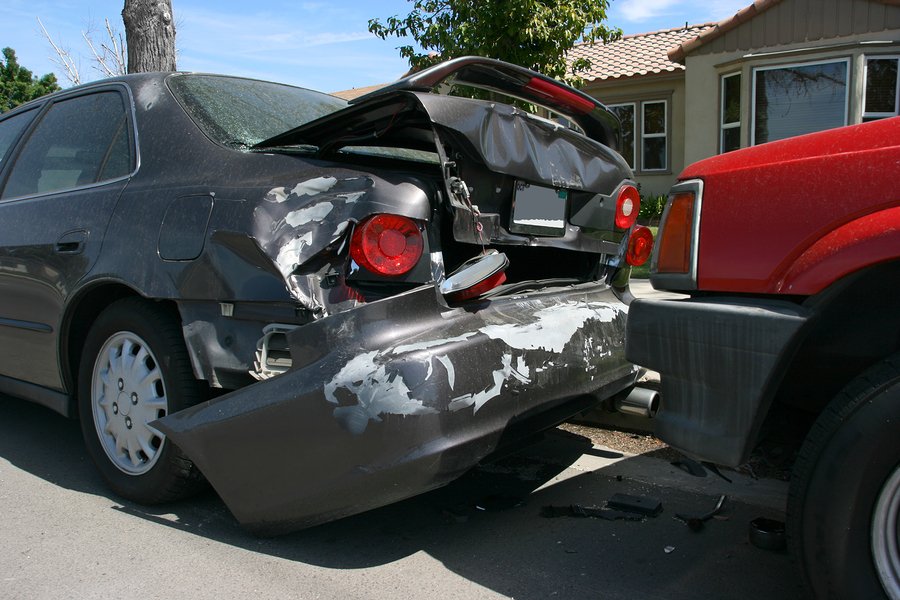
A side-impact crash happens when one vehicle strikes another along the door panels, or when both vehicles meet flank-to-flank rather than bumper-to-bumper. You see such accidents on A-roads, motorways, junctions, during left or right turns, and in car parks. In short, it’s a side on collision where the side takes the force.
How do they happen? A driver pulls out from a smaller road without giving way; a car turns across traffic; someone reverses or merges in a lane without checking mirrors. At urban and motorway speeds, reaction windows shrink, so even a brief glance away can be enough to miss something. Limited crumple zones along doors mean lateral hits bite harder.
However, not every case stems from recklessness: fog, standing water, glare, or a sudden mechanical fault can all lead to an accident.
Typical Causes Behind Side Impact Accidents
Understanding how a side on car collision happens is the first step to working out fault in the UK. These crashes often begin with small errors that cascade into serious collisions. Mapping the cause helps insurers and courts decide who is at fault for a side impact accident.
Speeding And Risky Driving
Higher speeds make stopping distances longer and decision time shorter. Even if a driver spots an obstacle, there may be no time to brake or avoid. The lateral hit then carries more energy, which raises the risk of serious injury and extensive damage.
Distraction At The Wheel
Phones, sat-nav inputs, spilled coffee, or even lively conversations can draw a driver’s attention away from the road. This can result in missing red lights, failing to stop at a stop sign, or creeping out from a side road without checking to see if the coast is clear. Drivers reversing or pulling from bays may also fail to spot vehicles coming through.
Driving Under The Influence
Alcohol, drugs, and some medicines blur judgment and slow reactions. A drifting lane position or poor distance estimation can place a car in the path of crossing traffic. The result is a direct hit on doors where protection is thinner.
Tailgating And Following Distance
Following close leaves little time to respond when traffic slows or swerves. If the car ahead of you swerves suddenly to avoid something in the road (like a tire or a piece of wood), and you’re following too closely, you won’t have time to react. Keeping a generous time gap and adding more in rain or fog reduces these chain reactions.
Road And Vehicle Factors
In many loss of control scenarios, hazards such as potholes, standing water, glare, or hidden sight lines near junctions can cause a driver to lose grip or visibility in seconds, leading to accidents. Mechanical faults like brake failure or steering issues shift attention to maintenance and manufacturer responsibility. These conditions complicate the process of determining who is at fault, but they do not erase the duty to drive with care.
Why Causes Matter For Fault
The cause of the crash guides the type of evidence you need to collect. Photos, dashcam clips, telematics, witness details, and damage patterns help reconstruct who had the right of way and who was at fault. Clear notes taken at the scene make the side car collision claims process faster, fairer, and far less stressful.
Fault In Right-Turn Side Impact Collisions
Right-turn side impacts often occur when a driver crosses oncoming traffic and misjudges the gap. In the UK, the turning driver must give way to vehicles coming straight through. If that duty is ignored, fault commonly sits with the turner.
Fault is not always one-sided. If the oncoming driver was speeding, jumped a light, or drove without due care, responsibility can be shared. To answer Side impact collision who’s at fault UK, gather evidence fast: signal use, light phases, dashcam or CCTV, skid marks, damage angles, and witness details.
How Fault Is Determined In Side Impact Cases
Begin With Safety And A Clear Head
Secure the scene, check for injuries, and call for help. Once things are stable, note what happened while it is fresh in your mind. In the UK, decisions rest on evidence, not guesswork.
What Decides Fault
Establishing fault is crucial because it directly affects liability and payment for vehicle repairs, medical expenses, and any injury compensation. Investigators look first at priority and reasonable care. Who had the right of way, who looked properly, and who managed their speed? Everything else supports that picture.
What The Damage Shows
Damage patterns help reconstruct the sequence of events. A strike to the driver’s side with front-end damage to the other car can suggest a pull-out without proper checks. Rear contact that becomes a side swipe often points to late braking or following too closely.
Signals, Sightlines, And Speed
Indicators shape expectations. Whether a signal was on, cancelled, or left running matters during the accident.
When The Car Is At Fault
Sometimes the vehicle misbehaves. Brakes, steering, tyres, or electronic aids can fail. If that happens, servicing records, recalls, and recent repairs help show whether a garage or manufacturer bears responsibility.
When The Road Plays A Part
Ice, standing water, potholes, faint markings, or blocked views can all contribute to a side impact collision. Highway maintenance may share the blame if defects are significant. Drivers must still slow down and adjust to conditions.
Evidence That Actually Helps
Collect witness details and keep dashcam clips. Photograph positions, road marks, signal phases, if visible, and both cars’ damage. Write a short note with time, location, weather, and what you saw. Small details can often be decisive in settling liability disputes.
Shared Fault Is Common
Side impacts often split responsibility. A turning driver may misjudge a gap while the driver going straight speeds up or looks away. UK insurers weigh each strand and may assign blame by percentage, which then impacts the repairs and any side impact injury claim.
Immediate Steps To Take After A Side Impact Crash
First, make the scene safe. Put on hazard light, get passengers clear of traffic if it is safe to do so, and keep a sensible distance from the vehicles. Call 999 and say that there has been a side impact crash, giving your location. If fuel is leaking or visibility is poor, stay well back.
Seek medical help even if you feel fine. Side impacts can mask concussion, whiplash, and internal injuries that show hours later. Let paramedics check you and anyone else involved.
The police may attend if there are injuries, danger or a serious obstruction. They’ll manage traffic, listen to what everyone says, and call for an ambulance if necessary. Just be helpful and remember to get the accident number from them, as you’ll need it for your insurance.
While you wait, collect essentials without putting yourself at risk. Swap names, numbers, and insurer details with the other drivers, and take photos of positions, damage, road signs, and the junction. Save the dashcam footage, note the time, weather, and witnesses, and avoid apologising or accepting blame.
Gathering Evidence To Support A No-Fault Claim
A solid claim begins with calm, timely notes. Write things down while your memories are still sharp, and keep everything in one place. Small details often become the strongest proof.
Start With Clear Notes:
Record the basics and what happened during the impact in simple language. Create simple diagrams if they help you recall positions. Also, record anything that seemed unusual at the time.
- Date and time
- Exact location and road layout
- Weather and surface conditions
- How and where the vehicles met
- Injuries to you or passengers
DEDICATED CLAIMS ADVISORS
Our dedicated claims advisors are always available to offer free legal advice.
100% NO WIN NO FEE CLAIMS
All our claims are processed on a No Win No Fee basis; you pay nothing if you lose.
MILLIONS SECURED IN DAMAGES
To date, we have secured millions in damages.
THOUSANDS OF SATISFIED CLIENTS
To date, we have helped thousands of clients recover compensation and continue to do so.
Secure Witnesses:
You can strengthen your side impact accident claim with first-hand accounts from witnesses. Be polite to people and ask for their information before they leave. Keep questions short and neutral.
- What did you see happen
- Who seemed to cause it, and why
- When did it happen, and from where did you observe
Capture The Scene:
Photos and short videos reveal patterns that words can miss. Do this safely, stay off live lanes, and use your phone’s timestamp.
- Damage to each vehicle and close-ups of contact points
- Final positions, skid marks, debris, and road signs
- Wider shots showing lanes, sight lines, and traffic controls
Save Video And Records:
Videos can settle disputes quickly. Secure digital files as soon as possible and back them up. Ask staff at any nearby shops, homes or businesses if they have CCTV footage available.
- Save dashcam clips that cover before and after the impact
- Request local CCTV where the cameras face the road
- Note police accident numbers and any officer names
Starting Your Non-Fault Claim Process
First, make sure everyone is safe. Switch on hazard lights, move away from traffic if it is safe, and call 999 for injuries or danger. Do not worry about paperwork until the scene is safe.
Avoid apologising or accepting responsibility, even casually. Keep conversations factual and polite. Exchange names, numbers, registration, and insurer details, and ask the police for the accident number if they arrive at the scene.
When the risk has passed, start building your claim. Take photos, note time, location, weather, and road layout, and save dashcam clips. Collect witness details, seek a medical check, and store every receipt and reference; this is important for making a non-fault claim.

Can’t Work Due To Illness Or Injury?
Use our free online claim check tool and find out in minutes if you have a claim.
Who To Contact First After A Side Impact Accident
Start with safety. Call 999 if anyone is hurt or the road is blocked, and follow police guidance at the scene. Get checked by a medical professional even if you feel fine, then gather essential details and photos once it is safe.
If you have suffered injuries in a side impact accident, contact us on 01412801112. Our panel of car accident solicitors can start your side impact claim, preserve key evidence, and guide you on treatment, repairs, and lost earnings. Early advice helps protect your rights and strengthens your case.
FAQs About Side Impact Collision
How can you minimise the impact of a side-impact collision?
Defensive driving and anticipating risks are the most effective protection. Slow early at junctions, scan both ways, and keep a generous gap with the cars before so you can brake hard or steer into open space. Wear your seatbelt correctly, set the head restraint, and keep tyres and brakes maintained.
Why are side-impact collisions more dangerous for occupants?
The side of a car has less structure and shorter crush space than the front or rear, so forces reach you faster. Doors are close to the torso and head, and intrusion is more likely. Side airbags help, but the impact still causes significant damage.
Where are side-impact collisions most likely to occur?
They mostly happen at conflict points. Think junctions, roundabouts, and crossings where a driver turns across priority traffic or runs a light. Car park entrances and exits are another hotspot for such accidents, as are driveways and bay reversals.
What is a side on collision?
A side-on collision happens when one vehicle strikes the side of another, rather than the front or the rear. It often involves contact with the doors or side panels and can range from a sharp T shape impact to a side swipe. In Scotland, these crashes often happen at junctions, roundabouts, and car parks where traffic crosses or joins other traffic.
If a car hits you from the side who’s at fault?
In Scotland, fault usually depends on who had the right of way and who failed to take proper care, rather than on the fact that your car was hit on the side. Often, the driver who pulls out, turns, or changes lane without checking properly will carry most of the blame, but speed, signals, road layout, and weather are also important. Insurers and sometimes the court look at all the evidence, and they may decide that fault is shared between both drivers.
What is it called when a car hits you from the side?
When a car hits you from the side, it is usually called a side impact collision. Many people also call this type of accident a T-bone crash, because the cars can end up in a shape that looks like the letter T.
If someone pulls out in front of you and you hit them is it your fault UK?
In Scotland, the driver who pulls out into moving traffic is usually held at fault because they must wait until the road is clear. You may carry some blame if you were speeding, distracted, or too close to react in time. A claim is judged on evidence, so photos, dashcam clips, and witness details can make the picture clearer.
Who is responsible in a right turn collision fault UK case when both drivers claim they had priority?
Car hit from behind whose fault uk? The turning driver must give way to oncoming traffic, so they often take most of the blame. Fault can still be shared if the oncoming driver was speeding or failed to follow a traffic signal. In Scotland, each case is decided on the road layout, signs, signals, and the behaviour of both drivers.
What should I do if another vehicle hit us while crossing a give way and there were no witnesses?
To help show who had the right of way, start by writing down the layout of the road, the markings, and where each car ended up. If you have dashcam footage, save it. Also, take clear pictures of the damage and the intersection. In Scotland, your insurance company will look at all the evidence you can find, so make sure your notes are clear and complete, even if no one else saw the crash.
In an accident in car park who's at fault uk when both cars reverse at the same time?
Accident in car park who is at fault? When two cars reverse at the same time in Scotland, fault is often shared because both drivers have a duty to check behind and move slowly. Insurers look at how far each car had moved, the view each driver had, and whether anyone paused or signalled. Clear photos, dashcam clips, and simple notes can help explain the sequence of events.
How do insurers decide accident in a car park who is at fault when a driver pulls out of a bay into moving traffic?
A driver leaving a bay must make sure the lane is clear before reversing or pulling forward. If they move out without checking properly, they will usually be held responsible. The driver already moving through the lane can still share blame if they were going too fast or not watching the road.
Who is usually liable in a changing lanes accident fault situation on a dual carriageway?
The driver who changes lanes must make sure the lane is safe before moving over. If they drift or cut across another car, they will normally be held at fault. Blame can still be shared if the other driver was speeding or driving too close to allow enough room to reasonably avoid a collision.
Easy Ways To Get In Touch
We are here to help. Give us a call, request a call back or use our free claim check tool to get in touch with our friendly legal team. With local knowledge and a national network of experts, we have the experience you can count on.