

I Rear Ended Someone Who Stopped Suddenly in the UK?

Sarah John's
Legal Writer
You are driving your car on the Scotland roads when suddenly the car in front of you stops without warning. You couldn’t stop your car in time, and then next thing you know, you have rear-ended the car in front; what you should do now?
If the other driver is fully or partially responsible for the car accident, so you might be eligible for Car Accident Claims Scotland.
Table of Contents

Get In Touch With Your Local Office:
With local knowledge and a national network of experts, we have the experience you can count on.
What Is A Rear-Ended Car Accident?
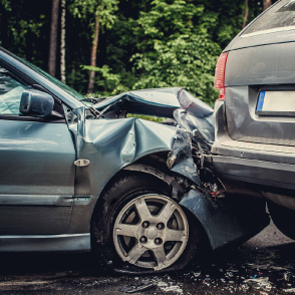
A rear-end collision is an accident in which one vehicle collides with the vehicle in front of it. It typically happens on roads, freeways, or intersections; these accidents are quite common in Scotland.
With its beautiful landscapes and ever-changing weather, Scotland presents drivers with unique challenges. The weather can change rapidly, with a bright, sunny day transforming into heavy rain. This can reduce visibility and make the roads slippery, increasing the risk of rear-end collisions.
In cities such as Glasgow, rear-end collisions are common due to heavy traffic, sudden pedestrian stops, and braking at traffic signals. The busy city roads, lined with historic buildings and filled with pedestrians, require that drivers maintain a safe distance between their vehicles and the vehicle in front of them.
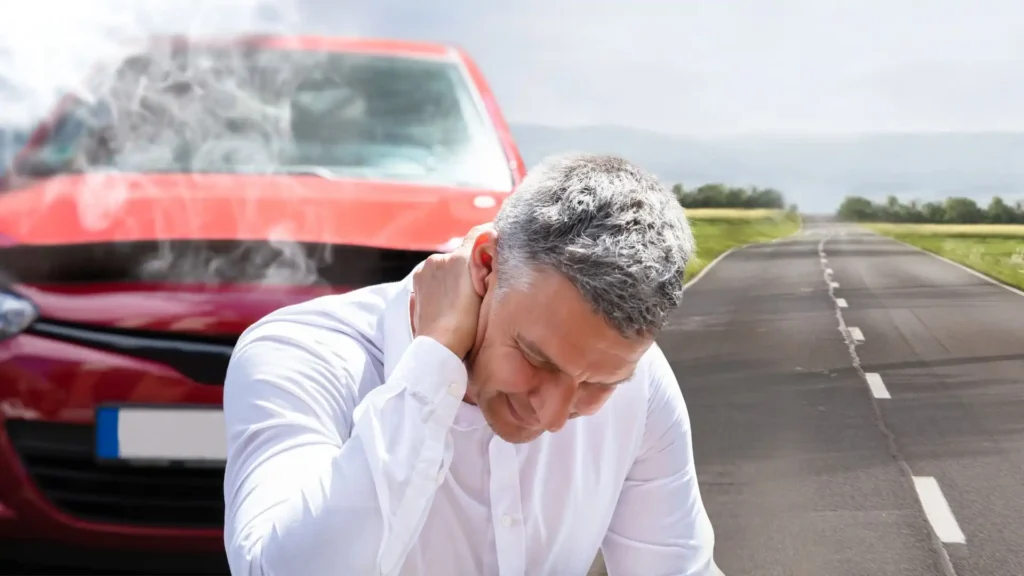
In a rear-end collision, the front side of the vehicle in the back collides with the rear of the front vehicle. This can damage both vehicles and sometimes cause injuries to the people inside. Whiplash is a common injury in such accidents; I happen when the neck is suddenly jerked forwards and backwards.
When A Car Suddenly Brakes In Front Of You?
Driving in Scotland can often be an adventurous experience. However, what happens if a car in front of you suddenly stops? This situation requires quick thinking and cautious action to avoid an accident.
Imagine driving along a road in Scotland, perhaps admiring the breathtaking Highlands or navigating the busy streets of Glasgow; the vehicle in front of you stops abruptly. It could be due to a variety of reasons, such as a pedestrian entering the roadway or a red deer crossing at precisely the wrong time. In urban areas, there can be different reasons. A traffic light might have changed quickly, or a car might be turning in a way you didn’t expect.
When this occurs, your instinctive action would be to immediately apply the brakes. This may help you avoid a collision, but you must also be aware of the vehicles behind you. They may follow too closely and collide with your vehicle if you brake too abruptly.
When driving in such conditions, it is essential to maintain a safe distance from the vehicle in front of you. This will give you more time to react if the vehicle ahead of you suddenly stops. Keep in mind that the stopping distance increases when driving at a higher speed or on a slippery road.
Additionally, keep your attention on the road and surrounding traffic. Avoid distractions such as cell phones and radio station changes. Keep an eye on the brake lights of the vehicles in front of you, as they can provide a few crucial seconds of warning before a vehicle stops.
How Do You Recover From Being Rear-ended?
Wherever it happens, being rear-ended can be a frightening experience. Whether you are driving through Glasgow’s busy streets or the Highlands’ winding roads, a rear-end collision can leave you shaken and overwhelmed. Here are the steps you should take to recover from this unfortunate accident.
First, examine yourself and your fellow passengers for injuries. Even minor collisions can result in injuries such as whiplash, which may not be immediately apparent. In the event of an injury, dial 999 to request an ambulance.
Next, it is essential to notify the police of the accident. In Scotland, it is mandatory to report any traffic accident that results in injury or property damage. You can dial 101 to reach the police non-emergency line. Provide all relevant information and cooperate fully.
Be sure to exchange insurance and contact information with the other driver. If it is safe, you should photograph the accident scene, your vehicle, and the other vehicle involved. These may be helpful when submitting an insurance claim.
After addressing the accident’s immediate aftermath, it is time to concentrate on recovery. If you are experiencing discomfort or pain, go to a doctor. Some injuries may not manifest until days after an accident, so getting checked out is the best option. Follow your physician’s treatment and recovery recommendations.
After being involved in a collision, it is normal to feel a little anxious and unconfident about driving. Consider taking a refresher driving course if you feel uneasy behind the wheel. This can help restore confidence in your driving skills; numerous driving schools in Scotland provide this service.
Consider The Factors That Caused The Accident:
A rear-end accident can happen due to various reasons; some of the most common ones are as follows:
Dangerous Driving:
In Scotland, dangerous driving is a common cause of road accidents. Understanding the various aspects of dangerous driving can help improve road safety for everyone.
Speeding is one of the primary components of dangerous driving. This happens when a motorist exceeds the legal speed limit for a given road. In Scotland, speed limits can vary, with 20-30 mph in urban areas and up to 60 mph on single-carriageway roads.
When drivers exceed these limits, they endanger their own safety and the safety of other drivers and pedestrians. Speeding makes it harder for a driver to turn safely around curves or obstacles on the road. It also takes longer to stop a vehicle and move it farther while the driver reacts to a dangerous situation.
Aggressive behaviour on the road is another form of dangerous driving; this includes tailgating and weaving through traffic. These actions can result in rear-end collisions because they reduce the time and space a driver has to react if the vehicle in front of them stops abruptly.
Ignoring traffic signs and signals is another dangerous driving practice. The purpose of traffic signs and signals is to facilitate traffic flow and prevent accidents. Violating a red light or a stop sign can result in serious accidents, including rear-end collisions.
Driving recklessly in poor weather conditions is yet another type of dangerous driving. The weather in Scotland can change rapidly, making the roads hazardous due to heavy rain, snow, or fog. Drivers who do not adjust their driving to accommodate these conditions may cause accidents.
Distracted Driving:
Distracted driving is a serious problem on Scottish roads, and it can lead to tragic accidents. Distracted driving means doing anything that diverts a driver’s attention from the road while driving.
In this digital age, mobile phone use is one of the most common sources of distraction. Some drivers might try to make a phone call, send a text message, or even access social media while driving. However, this can significantly reduce their concentration and response times. In Scotland, holding a phone while driving for any reason is illegal. If found guilty, you could face a hefty fine and licence points.
Even without a phone, there are numerous other distractions. Changing the radio station, configuring the navigation system, and adjusting the temperature controls can all distract you from the road ahead. It only takes a fraction of a second for the vehicle in front of you to stop, leading to the possibility of a rear-end collision.
However, electronics and controls are not the only causes of distracted driving. Eating or drinking while driving, conversing with passengers, or attempting to settle children in the backseat can also be distracting. Even something as simple as admiring Scotland’s beautiful landscape can temporarily divert your attention from the road.
To combat distracted driving, maintain complete focus on the road at all times. Make any necessary changes to your vehicle or plan your route before you leave. If you must make a call or send a text, pull over to a safe location before using your phone.
DEDICATED CLAIMS ADVISORS
Our dedicated claims advisors are always available to offer free legal advice.
100% NO WIN NO FEE CLAIMS
All our claims are processed on a No Win No Fee basis; you pay nothing if you lose.

MILLIONS SECURED IN DAMAGES
To date, we have secured millions in damages.
THOUSANDS OF SATISFIED CLIENTS
To date, we have helped thousands of clients recover compensation and continue to do so.
Driving Under The Influence:
Driving under the influence, also known as drunk driving, is a dangerous and illegal act that can have severe repercussions. It means driving a car after drinking or using drugs to the point where you can’t drive safely.
The drink-driving limits in Scotland are lower than in the rest of the United Kingdom. The maximum alcohol concentration is 50 milligrams per 100 millilitres of blood; even a small amount of alcohol could put you over the limit. This law aims to emphasise the potential dangers and discourage individuals from operating a motor vehicle after consuming alcohol.
When a person is under the influence of alcohol or drugs, their reaction times can be slower, their judgement and coordination can be impaired. This increases the possibility of accidents, such as rear-end collisions. A driver who is intoxicated by alcohol or drugs may be unable to stop their vehicle in time to avoid colliding with the vehicle in front of them.
Driving under the influence endangers more than just the driver. It also endangers other road users, including pedestrians, cyclists, and passengers. This is why Scotland has harsh penalties for driving under the influence. They can include a fine, a driving ban, and even a prison sentence in severe cases.
In addition to the legal consequences, driving under the influence can result in tragic outcomes, including serious injury and death. Therefore, you should always plan ahead if you’re going to be drinking. Use a taxi or public transportation, or ask a friend or acquaintance to drive you home safely.
Weather And Road Conditions:
Scotland’s diverse terrain and ever-changing weather conditions present drivers with unique challenges. From sudden rain showers to icy or snowy roads, Scotland’s weather and road conditions can change rapidly and significantly impact driving.
Rainfall is one of the most common weather conditions in Scotland. Heavy rain and fog can cause roads to become slippery and reduce visibility. This is especially challenging when navigating Scotland’s narrow and winding rural roads. Slow down when driving in the rain and maintain a safe distance from the vehicle in front of you. This can prevent rear-end collisions on slippery roads if the vehicle in front stops suddenly.
Additionally, Scotland is known for its cold climate. During winter, roads can become icy or covered in snow, making them more treacherous than usual. In such conditions, driving slowly and with extreme caution is essential. It takes longer for vehicles to stop on icy roads, so maintaining a greater distance from the vehicle in front can be advantageous.
The condition of the road itself is another important point to consider. In both urban and rural regions of Scotland, you may encounter potholes and loose gravel, both of which can be dangerous if not spotted in time. Avoiding accidents requires keeping an eye on the road surface and adjusting your driving accordingly.
Driving in the dark presents an additional difficulty. During the winter months in Scotland, when daylight hours are shorter, many motorists drive in the dark when visibility is lower. Using your headlights properly and being extra vigilant will help you navigate the roads safely during these hours.

Can’t Work Due To Illness Or Injury?
Use our free online claim check tool and find out in minutes if you have a claim.
Vehicle Malfunctions:
Vehicle malfunctions can be a real concern for drivers across the globe. A sudden mechanical failure while driving can lead to dangerous situations, including accidents like rear-ending the car in front of you.
One common type of vehicle malfunction is brake failure. The brakes are what allow you to stop your car safely, and if they’re not working properly, you might not be able to stop in time to avoid a collision. Regular maintenance checks can help ensure your brakes are in good working order.
Tyres are another crucial part of your vehicle that can malfunction. If a tyre suddenly bursts while you’re driving, it can cause you to lose control of your vehicle. It’s important to regularly check your tyres for signs of wear and tear and to make sure they’re properly inflated.
Engine problems can also lead to vehicle malfunctions. An engine that suddenly stops can cause the car to stop in the middle of the road, potentially leading to accidents. Regular servicing can help keep your engine in top shape and reduce the risk of sudden failures.
Lights are another crucial part of your vehicle that must be in working order. If your headlights or brake lights fail, it can lead to serious accidents, especially during the dark winter months in Scotland.
Vehicle Malfunctions:
If you have been in a vehicle accident and are considering making a personal injury claim in Scotland, HD Claims provides a free consultation to help you get started. During this session, we will listen to your story, go over the circumstances of your injuries, and determine how strong your claim is. We will also explain your rights and options, allowing you to make informed decisions in the future.
If you decide to proceed, we will connect you to a reputable solicitor from our panel who specialises in vehicle accident cases. With our assistance, you will have the support you require to seek your compensation with confidence.
Who is held liable in a rear end road traffic accidents?
In many types of car accidents, determining who is at fault can be a complex process. When a rear-end accident occurs, there are several factors to consider in figuring out who should bear the blame. In Scotland, the driver who hits the vehicle from behind is often considered at fault in a rear-end collision.
The reasoning behind this is that drivers are expected to keep a safe distance from the vehicle in front of them. This is to ensure they have enough time to react if the car in front stops suddenly. If a driver fails to do this and ends up rear-ending the vehicle in front, they’re typically seen as at fault for the accident.
However, it’s not always this simple; there could be situations where the driver of the vehicle in front may also share some responsibility. For example, if their brake lights aren’t working, or if they suddenly reverse without warning, they might also be found partially at fault.
Determining fault in a rear-end collision is important because it directly impacts personal injury compensation. The person deemed to be at fault is generally responsible for the damages. These could include medical expenses, repair costs for the vehicle, and any other costs related to the accident.
Hire a Personal Injury Solicitor:
If you have suffered personal injuries in Scotland due to a rear-end accident, you might be eligible to make a claim. However, an important consideration is hiring a personal injury lawyer.
A personal injury solicitor is a legal professional who can assist you in understanding your legal rights and navigating the legal process for claiming compensation for your injuries. They have extensive knowledge of Scotland’s laws and regulations and can assist you in navigating this often-complicated journey.
Many personal No Win No Fee personal injury Solicitors in Scotland operate on a “No Win, No Fee” basis. This means you will not be required to pay legal fees unless your claim is successful. “No Win No Fee Solicitors Scotland” can be reassuring if you are concerned about the financial implications of legal action.
When hiring a lawyer, it is essential to find someone who has handled similar cases in the past. They can provide valuable advice, assist you in gathering the necessary evidence, and, if necessary, represent you in negotiations with the opposing party or in court.
Your solicitor can also assist you in calculating the amount of compensation to which you may be entitled. This can include medical expenses, lost wages if you had to take time off, and even compensation for emotional distress resulting from the accident.
Easy Ways To Get In Touch
We are here to help. Give us a call, request a call back or use our free claim check tool to get in touch with our friendly legal team. With local knowledge and a national network of experts, we have the experience you can count on.