


What To Do After A Car Accident?

What To Do After A Car Accident? After a car accident, move to safety, check for injuries, call the police, exchange details, capture evidence, and report it to your insurer. Contact Us Sarah John’s Legal Writer 9 Essential Steps to Take Right After a Car Accident: Stay Calm & Move to Safety Check for Injuries Call the Police Exchange Details Document the Scene Take Photos & Videos Look for CCTV or Dashcam Footage Write a Short Personal Statement Notify Your Insurance Provider In this article, we’ll talk about what to do in a car accident and walk you through the steps you need to follow after a car accident, helping you understand RTA claims along the way. From staying safe to gathering important details, we’ve made it simple so you’ll know exactly what to do, no matter what kind of accident you’re dealing with. Being prepared can help you handle the situation better and keep things from getting worse. Table of Contents Get In Touch With Your Local Office: With local knowledge and a national network of experts, we have the experience you can count on. Contact Us Relevant Topics: Road Traffic Accident Accidents In Public Accident at Work Medical Negligence Claims Serious Injury Claims Asbestos Claims Motorcycle Accident Claims Taxi Accident Claims Slip Trip And Fall Claims Compensation Calculator Whiplash Claims Essential Steps To Take Immediately After A Car Accident Stay Calm And Bring Your Vehicle To A Safe Stop: What’s the first thing you must do if you have a collision – stay calm. If you can, safely pull over to the side of the road so you’re not blocking traffic. Turn off your engine and make sure your hazard lights are on. This will help make you visible to other drivers, keeping everyone safer. It’s important to remember that stopping is not just about safety—it’s the law. If you drive away without stopping, it can be considered a hit-and-run, and you could face serious consequences. Always take a moment to make sure everyone is safe and ready to handle the next steps. Checking for injuries at the scene: After you’ve safely stopped, the next thing to do is check for injuries—starting with yourself. Make sure you and your passengers are okay. If anyone is seriously hurt, don’t wait—call 999 for immediate help. Getting quick medical attention is important, even if you feel fine at first. Sometimes, injuries can show up later, so it’s always a good idea to see a doctor or visit a walk-in clinic just to be sure. Remember, the car can often be fixed, but your health is the most important thing. Even if you want to check your car, prioritise checking for any injuries. It’s normal to worry about your vehicle, but in the end, your health should come first. Satisfied Clients 0 K+ Dedicated Experts 0 + Client Rating 0 Compensation Recovered £ 0 + Million When and why you should contact the police after a crash? You should contact the police in certain situations to make sure everything is handled correctly. If the other driver leaves without giving their details or you suspect they don’t have insurance or might be under the influence of alcohol or drugs, call the police right away. Also, if you think the accident was caused on purpose, the police need to be involved. It’s also important to report the crash to the police within 24 hours. Failing to do so can lead to serious consequences, such as fines, points on your license, or even being disqualified from driving. Exchange information with drivers and witnesses After an accident, it’s important to exchange details with everyone involved—other drivers, passengers, and even witnesses. You are legally required to share your information, and the police may need it, too.Make sure you give the following details: Your name, address, and contact information Your driving license number and vehicle registration Your insurance details Also, take the same information from others involved in the accident. Even though it can be a stressful time, it’s important to stay calm and polite. Avoid placing blame or getting into arguments. This will help keep the situation from getting worse. What to record at the accident scene for your protection? After a car accident, it’s important to keep a detailed record of everything that happened. This will help protect you and make the process easier if you need to make a claim or report the accident. First, make sure you exchange what details to take in car accident with everyone involved, such as names, addresses, and insurance information. Don’t forget to ask for witness details as well.You should also record: The time and date of the crash The make, model, colour, and number plate of the vehicles The driving conditions, including weather and road quality Damage to your car and where it happened Any injuries to people involved Witness names and contact info Receipts for any alternative transport if you can’t drive your car Taking photos of the cars, damage, and the scene is also crucial. If you’re dealing with a parked car or no one else is around, leave a note with your details. This is important car accident help for your protection. Capturing photo and video evidence at the crash site: After an accident, taking photos and videos is important for recording what happened. Start by capturing the damage to vehicles or nearby property, like bikes or fences. Make sure to film your car’s overall condition, including any damage that was already there before the crash. Take shots of the accident scene to show where it occurred, and look for any evidence, like tyre marks or skid marks, that explains what happened. These can be crucial for your claim or legal protection. Look for CCTV footage to support your car accident claim After an accident, check if there are any CCTV cameras nearby, like those from shops or public places. Dash cam footage from your own car or footage from bystanders can
What Is The Depreciation Value After My Car Was Involved In An Accident?

What Is The Depreciation Value After My Car Was Involved In An Accident? Contact Us Sarah John’s Legal Writer You might be surprised to find out that after your car has been in an accident, its value decreases significantly. This drop in value, known as depreciation, is one of the hidden costs that can occur as a result of an accident. The exact amount varies based on several factors, like your car’s make, model, age, and the severity of the accident. If you were injured in the accident and want to make personal injury claims Scotland, then contact us; we have a panel of expert Solicitors who are ready to assist you. Table of Contents Get In Touch With Your Local Office: With local knowledge and a national network of experts, we have the experience you can count on. Contact Us Relevant Topics: Road Traffic Accident Accidents In Public Accident at Work Medical Negligence Claims Serious Injury Claims Asbestos Claims Motorcycle Accident Claims Taxi Accident Claims Slip Trip And Fall Claims Compensation Calculator Whiplash Claims Is My Car Worth Less After An Accident And Can I Claim? Yes, your car is typically valued less after an accident. This is due to something called ‘diminished value.’ When a vehicle is damaged in an accident, even after the repairs, it’s value would be less than a similar car that has no accident history. In Scotland, it’s indeed possible for you to make a claim for this depreciation after a car accident. However, the rules and processes can be complex, so getting legal advice from a personal injury claim expert is the best choice. Satisfied Clients 0 K+ Dedicated Experts 0 + Client Rating 0 Compensation Recovered £ 0 + Million What Is Depreciation? Depreciation is the difference between the value of your car before the accident and its value after the repairs. This value loss happens because potential buyers or dealers are likely to pay less for a car that’s been in an accident compared to one with a clean history. What Counts As An Accident? An accident is any event that causes physical damage to your vehicle. This can range from a minor bump to a major collision. Even small things like parking lot dings or scrapes can count as an accident if they result in damage to the car. DEDICATED CLAIMS ADVISORS Our dedicated claims advisors are always available to offer free legal advice. 100% NO WIN NO FEE CLAIMS All our claims are processed on a No Win No Fee basis; you pay nothing if you lose. MILLIONS SECURED IN DAMAGES To date, we have secured millions in damages. THOUSANDS OF SATISFIED CLIENTS To date, we have helped thousands of clients recover compensation and continue to do so. What Is The Depreciation Policy For Vehicles? In Scotland, depreciation policies for vehicles can vary greatly depending on the insurance company and the specifics of your policy. Some insurers might provide cover for depreciation following an accident, but this is not always the case. It’s important that you read your policy thoroughly to understand what’s included and what isn’t. What Is Diminished Value? Diminished value refers to the reduction in a vehicle’s market value after it’s been involved in an accident and repaired. It’s the financial difference between a car’s value before an accident and its value after repair. As stated earlier, in Scotland, you can claim for depreciation after car accident, though the process can be challenging. Can’t Work Due To Illness Or Injury? Use our free online claim check tool and find out in minutes if you have a claim. Check Now How Do You Fight Depreciation On A Car? There are several ways you can minimise depreciation on your car. One is maintaining your vehicle in top-notch condition. Regular servicing, careful driving, and timely repairs can help keep your car’s value up. If your car is involved in an accident, make sure that repairs are high-quality and professional. Furthermore, keep proper documentation of the repairs; this can help when it’s time to sell. How Much Less Is A Car Worth After An Accident? The amount a car devalues after an accident can range widely. It’s often estimated to be between 15% and 50% of the car’s pre-accident value. Several factors play a role, including the car’s age, its condition before the accident, the extent of the damage, and the quality of repairs. Our Personal Injury Claim Experts Can Help You! The process of claiming depreciation on a car after accident can be complex. It involves proving that your car’s value has decreased due to the accident. Our panel of expert Solicitors can help guide you through this process; they have extensive experience dealing with Car Accident Claims In Scotland. They will help you gather and present the necessary evidence in court to ensure you receive the compensation you deserve. If you are worried about legal fees, then don’t worry; our panel of No Win No Fee Solicitors Scotland can help you without a fee; you will only need to pay it if you win your case. FAQs Can you claim depreciation on your car after an accident? Yes, you can make a claim for the value loss caused by a crash in Scotland. However, unless your policy provides special coverage, you will typically make a claim with the at-fault driver’s insurer rather than your own. You must provide clear evidence and proper valuations to demonstrate the depreciation value after accident. How do you make a diminished value claim UK after your car has been repaired? Begin by having your car completely repaired, and keep all invoices and photos. Ask two or three independent valuers or dealers to confirm the drop in price, then send a written claim to the at-fault insurer with your proof. A solicitor can assist you in recovering the depreciation value of car after accident through negotiation or legal action if the at-fault party’s insurance refuses to pay. When making a claim, what evidence
8 Leading Causes of Road Traffic Accidents You Should Know

8 Leading Causes of Road Traffic Accidents You Should Know Contact Us Sarah John’s Legal Writer On roads across Scotland, road traffic accidents still cause harm and disruption for many families. In 2023, UK police recorded over 140,000 casualties from road collisions, with more than 25,000 classed as serious or fatal. Drivers, cyclists, pedestrians, and motorcyclists share a duty to keep safety in front of their minds. Some crashes cannot be avoided, but many can be prevented with simple choices and steady habits. This guide looks at the main causes of car accidents and shows how to reduce the risk with practical accident prevention tips. We will cover distraction, tiredness, drink and drugs, and the role of speed limits in daily driving. We will also explain how exceeding the speed limit and driving too close to other vehicles increases risk on both urban and rural roads. If you need help after an Injury Claim In Scotland, you can find useful information about Road Traffic Accident Claims Scotland and the immediate steps after a crash later in this article. Table of Contents Get In Touch With Your Local Office: With local knowledge and a national network of experts, we have the experience you can count on. Contact Us Relevant Topics: Road Traffic Accident Accidents In Public Accident at Work Medical Negligence Claims Serious Injury Claims Asbestos Claims Motorcycle Accident Claims Taxi Accident Claims Slip Trip And Fall Claims Compensation Calculator Whiplash Claims What Are The Main Causes Of Road Traffic Accidents? 1. Driver Distraction: The Leading Cause of Road Collisions Driver distraction is a leading contributory factor and one of the main causes of road accidents on both urban and rural roads in Scotland. It can affect anyone who drives, rides a cycle, or walks near traffic. Staying focused protects you and everyone around you. Common distractions include mobile phones, in-car audio systems, children who need attention, and backseat advice that takes your mind off the road. In Scotland, it is illegal to hold a phone or a sat nav while driving, even when you are stopped at lights or in a queue. The penalty is 6 points and a £200 fine, and new drivers within two years can lose their licence. A quick look at a screen can be enough to cause fatal accidents, so treat every message as something that can wait. If you need to check your phone, find a safe place to stop off the road, turn off the engine, and remove the keys. The same rule applies to setting a route or changing music. Set yourself up to avoid temptation before you start driving. Switch the phone off or use driving modes that silence alerts, and send calls to voicemail. Keep the device out of reach, and set your sat nav and playlist before the journey begins. Ask passengers to help you focus, not distract you. If children need help, pull over somewhere safe and sort things out before you continue. Small choices like these decrease distractions and lower the risk of a crash. 2. Speeding and Reckless Driving: Speeding and reckless driving remain a major cause of serious accident on Scotland’s roads. RoSPA data shows that inappropriate speed contributes to about 11 per cent of injury crashes and around a quarter of fatal collisions. Every road traffic collision at high speed carries greater force and a narrower margin for error. Remember that limits mark the maximum, not the target. Good road safety means matching your speed to weather, traffic, road curves, and surface grip, especially on rural single carriageways. Many crashes start with someone traveling too fast for what the road allows. Keep both distance from the other vehicles and speed under control. Use the two-second rule and double it in rain, fog, or in icy weather. Leaving this gap helps you spot obstacles early and stop smoothly when needed. Make it a habit to check your speed often and look out for junction and speed limit signs. When there are street lights and no signs, assume the limit is 30 mph. Driving in third gear at this speed helps you stay smooth and avoid going over the limit. The numbers tell a clear story, and they are avoidable. In 2023, exceeding the limit was linked to 5,072 crashes, and driving too fast for conditions was a factor in 3,717. Choosing the right speed helps avoid common accident causes and protects everyone on the road. Satisfied Clients 0 K+ Dedicated Experts 0 + Client Rating 0 Compensation Recovered £ 0 + Million 3. Driving While Fatigued: Driving while tired is a real risk on Scotland’s roads. About one in five crashes involves driver fatigue as a contributing factor, which slows reactions and blurs judgment. That puts you and other road users in danger. Long rural drives, late shifts, and dark winter mornings can make any driver feel sleepy. Plan your trip with breaks, share the driving with someone else when you can, and keep the car well ventilated. Listen to early signs of tiredness like yawning, uneven speed, or drifting out of your lane. If sleepiness starts, stop in a safe place away from traffic. Do not use a motorway hard shoulder unless it is an emergency. Have a coffee or another caffeinated drink, take a short nap, then give yourself a few minutes to fully wake up before you start driving again. Simple habits reduce tiredness-related causes of accidents. Aim for good sleep, avoid heavy meals or alcohol before long trips, and take a break every two hours. 4. Driving Under the Influence of Alcohol or Drugs Driving under the influence is one of the common causes of road accidents in Scotland. It remains a common factor in serious injuries and deaths on our roads. NHS figures show that thousands were killed or hurt in a single year in accidents where at least one driver was under the influence. The safest choice is not to drink at all if you plan to drive.
How Dash Cams Can Prove Fault in a UK Road Traffic Accident?
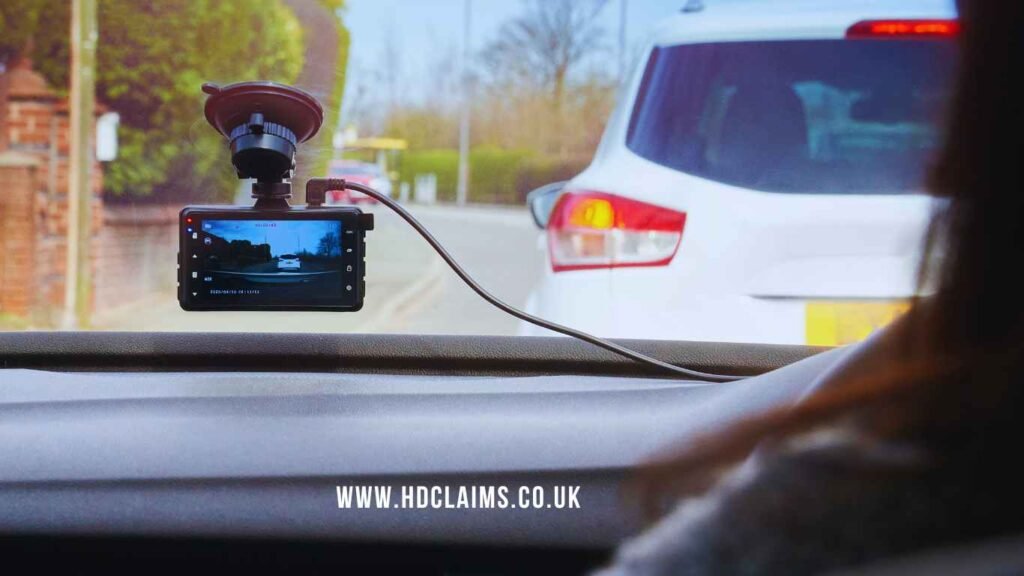
How Dash Cams Can Prove Fault in a UK Road Traffic Accident? Contact Us Sarah John’s Legal Writer Dashcams are becoming increasingly popular among drivers in Scotland. These handy little devices provide an objective eye on the road, capturing accidents that might otherwise be missed. But how can you use this technology to aid in a Road Traffic Accident claim? In this article, we’ll explore dashcams in detail: what they are, their legality, and how can you use the dashcams properly to make an RTA Claim. We’ll also delve into the potential downsides of using dashcams and discuss whether or not you need to inform your car insurance about them. Table of Contents Get In Touch With Your Local Office: With local knowledge and a national network of experts, we have the experience you can count on. Contact Us Relevant Topics: Road Traffic Accident Accidents In Public Accident at Work Medical Negligence Claims Serious Injury Claims Asbestos Claims Motorcycle Accident Claims Taxi Accident Claims Slip Trip And Fall Claims Compensation Calculator Whiplash Claims What Is A Dashcam? A dashcam, short for a dashboard camera, is a small video recording device that you can fit onto your car’s windscreen or dashboard. It’s a bit like a CCTV for your vehicle. When you drive, your dashcam records everything happening on the road ahead and sometimes even behind, depending on your model. This means it can capture accidents that might occur while you are driving on the road. It’s becoming a popular tool among drivers who want to have a reliable record of events in case of a dispute or an accident claim. So, in a nutshell, a dashcam is your own personal eyewitness on the road, always ready to capture the unexpected. Even if there is no one around to provide a witness statement, your dashcam footage will be enough as proof of the accident. This can help when you claim compensation for your injuries or damages to your vehicle. How To Send Dashcam Footage To Insurance Company? Infographic Are You Allowed To Use Dash Cams? Absolutely! In Scotland, you can install dash cams in your car as and when you like; there are no specific licences required, but drivers must follow safety and data protection rules. These cams are often used by drivers who want to document their journeys and provide solid evidence in case of a car accident. However, it’s important to ensure that your dash cam doesn’t block your view of the road; otherwise, it is illegal. It must be fitted correctly on your windscreen or dashboard so it doesn’t obstruct your ability to drive safely. Always remember, safety comes first! So, feel free to use a dash cam for peace of mind on the road. It’s well within your rights as a driver. Can I Use Dash Cam Footage As Evidence In A Road Traffic Accident? Yes, you certainly can! Dash cam footage can be used as evidence in a Road Traffic Accident (RTA) in Scotland. If you’re unfortunate enough to be involved in an accident, the video recorded by your dash cam could be crucial. They are a bit like CCTV cameras in that they record footage onto an internal SD card. Plus, the video, like CCTV footage, is stamped with the date and time, which helps prove when the accident happened. This timestamping also makes it hard for anyone to tamper with the recorded evidence. It provides a factual and impartial record of what actually happened, which can help sort out who was at fault. This is particularly useful when different people involved in the accident are telling different or conflicting stories. Dashcam footage, just like police reports, can be strong evidence in personal injury claims and can help you claim injury compensation for all your injuries. Satisfied Clients 0 K+ Dedicated Experts 0 + Client Rating 0 Compensation Recovered £ 0 + Million How Are Dashcams Helpful For a Road Accident Claim? Dashcams can be incredibly helpful for a Road Accident Claim in Scotland. Let’s think about this: when an accident happens, sometimes it’s tricky to work out who was at fault. Maybe there are no witnesses, or maybe the people involved remember things differently; this is where a dashcam comes in handy. Dashcam footage gives you a clear, unbiased record of what happened, making gathering evidence early much easier. It can show the actions of drivers, pedestrians, and even the road conditions at the time of the accident. This evidence can be used to help decide who was at fault. In some cases, the footage might even show that an accident wasn’t your fault at all. This could help you avoid points on your licence and a potential increase in your insurance premium. What Are The Disadvantages Of Dash Cams? While dash cams can be extremely useful in a road accident claim, they also have some downsides. Firstly, they can be a bit of a bother to install, and you need to make sure they’re set up correctly so they don’t obstruct your view. They must not get in the way of your safe driving. Also, dashcams only record what’s in their field of view. If an accident happens outside this range, it might not be captured. Some dash cams only record the road ahead, so they might miss something happening at the side or behind your car. There’s also the issue of privacy. Some people might not be happy about being recorded without their knowledge. In Scotland, it’s legal to record in public, but it’s good to be aware of this concern. The footage can also be used against you in situations where you believe you weren’t at fault, but you actually were. The footage can also be hard to interpret sometimes; for example, it might not clearly show who was at fault in a complex situation. Finally, there’s a small chance that a visible dash cam might attract a thief. You might need to remove it whenever you park your car,
Can I Be Sacked For Having An Accident At Work?

Can I Be Sacked For Having An Accident At Work? Contact Us Sarah John’s Legal Writer You might be concerned about your job security if you’ve been injured in an accident at work. The good news is that your employer cannot fire you simply because you had an accident. If your employer attempts to fire you after an accident, this may be considered unfair dismissal under UK law. Your employer cannot legally fire you even if you choose to seek compensation through a personal injury claim. They must have a valid, legal reason for letting you go, such as misconduct or redundancy. If you were fired as a result of a workplace accident, it is critical that you understand your rights. You may be able to challenge your dismissal and seek compensation for your injuries. If you’re wondering can I be sacked for causing an accident at work, the answer depends on the circumstances, but employers must follow proper legal procedures. Table of Contents Get In Touch With Your Local Office: With local knowledge and a national network of experts, we have the experience you can count on. Contact Us Relevant Topics: Road Traffic Accident Accidents In Public Accident at Work Medical Negligence Claims Serious Injury Claims Asbestos Claims Motorcycle Accident Claims Taxi Accident Claims Slip Trip And Fall Claims Compensation Calculator Whiplash Claims What Steps Should I Take After an Accident at Work? Accidents happen everywhere, and the workplace is no exception. However, it is your employer’s responsibility to create a safe environment in accordance with the Health and Safety at Work Act 1974. To keep you safe, they must provide adequate training, equipment, and safety measures. If your accident was caused by unsafe conditions, such as faulty machinery or insufficient personal protective equipment, your employer may be held responsible. In these cases, you may have a claim against your employer for your injuries. It is critical to report the accident and follow the company’s procedures, which typically include completing an accident report. If you are dismissed after accident at work uk, especially due to circumstances beyond your control, you may be able to challenge the dismissal. Understanding your rights can help you make informed decisions about your next steps, whether you decide to pursue accident at work claims or seek legal advice. What If I Was Hurt During the Workplace Accident? If you were injured at work, you have the right to seek compensation from your employer, even if a coworker caused the accident. Every employer is required by law to carry employers’ liability insurance to protect against such claims. This ensures that you receive compensation for your injuries. If the accident occurred because your employer failed to provide a safe working environment, you may be able to make a claim. The first step is to report the injury and make sure it is recorded in the accident book. It is critical to seek legal advice from a work injury solicitor who can advise you on your next steps. Whether your injury was minor or severe, you should not be forced to bear the costs alone. A solicitor will listen to your case and help you understand your rights, ensuring that you receive the compensation you deserve. Can My Employer Fire Me for Making a Claim? If you’ve had an injury at work and decide to make a personal injury claim, your employer cannot legally fire you for doing so. However, there are specific reasons an employer can dismiss you, including: Not having the capability or qualifications for the job. Gross misconduct. Redundancy (your job is no longer needed). A conflict with the terms of your employment due to another law. Other “substantial reasons” that your employer must prove in an employment tribunal. If your dismissal doesn’t fall under one of these reasons, it could be considered unfair dismissal. If your employer failed to meet health and safety regulations and your injury at work was a result of that, you have the right to seek compensation. Can I be disciplined for having an accident at work? It is a question many ask, but your right to make a claim is protected by law. What Are My Rights If I’m Dismissed After an Accident at Work? If you were fired because of an accident at work, you may have been treated unfairly. To understand your rights and make a claim, you can get assistance from our panel of personal injury solicitors. It can be a difficult process, but with the right advice, you can fight for the compensation you deserve. If you’re wondering, can I be fired for an injury outside of work UK? Talking to a solicitor can clear things up. For help, call 01412801112 or email contact@hdclaims.co.uk. Satisfied Clients 0 K+ Dedicated Experts 0 + Client Rating 0 Compensation Recovered £ 0 + Million Does It Matter If the Workplace Accident Was My Fault? When deciding whether you have grounds to sue your employer, the first thing to consider is whether you were at fault for the accident. If you were entirely at fault, your employer could legally fire you for misconduct or negligence. In this case, you are unlikely to be able to appeal their decision or take legal action. However, if you were only partially responsible and your employer bears some of the blame, you may have more options. For example, if you did not use the provided PPE (personal protective equipment) but your employer failed to provide you with adequate health and safety training, you may be held partially responsible. Depending on the circumstances, you may be able to sue your employer for unfair dismissal before an employment tribunal. You may also make a personal injury claim against your employer if their negligence contributed to your accident. However, if the court determines that you are partially responsible for the accident, your compensation will be reduced, a concept known as contributory negligence. For example, if you and your employer are both equally liable, you
How Long After An Accident Can You File A Claim?

How Long After An Accident Can You File A Claim? Contact Us Sarah John’s Legal Writer The Limitation Act 1980 sets a three-year general time limit for injury claims, with some exceptions. So, while the car insurance claim limit may vary, personal injury claims typically adhere to the three-year limit unless special circumstances arise. In this guide, we’ll explain how long you have to make a car accident claim and how different factors can affect these deadlines. We’ll also discuss the time limits for making a car insurance claim if no one else is to blame for the accident. Furthermore, we will walk you through the car accident claims process and explain how our panel of No Win No Fee solicitors in Scotland can help you every step of the way. If you’re not sure if you can claim or need more information, don’t hesitate to contact us for a free eligibility check. You can reach us through our 24-hour live chat or by filling out our online form. You can also contact us directly at 01412801112 for advice. Table of Contents Get In Touch With Your Local Office: With local knowledge and a national network of experts, we have the experience you can count on. Contact Us Relevant Topics: Road Traffic Accident Accidents In Public Accident at Work Medical Negligence Claims Serious Injury Claims Asbestos Claims Motorcycle Accident Claims Taxi Accident Claims Slip Trip And Fall Claims Compensation Calculator Whiplash Claims How Long Do You Have To Claim After A Car Accident? After a car accident, you have a limited time to make a personal injury claim, but how long after an accident can you make a claim? The Prescription and Limitation (Scotland) Act 1973 establishes the standard time frame, which is typically three years from the date of the accident. This means that if you do not make your claim within three years, you may lose your opportunity to seek compensation. However, there are some exceptions to this rule that may extend the time you have to make your claim. It’s important to remember that the time limit is only one factor in determining whether your claim is valid. To successfully seek compensation, you must also demonstrate that another driver was at fault and that their actions resulted in your injury. Road users have a legal duty to be cautious on the road, and if they fail to fulfil this duty—whether by breaking traffic laws or failing to follow basic road safety rules—they may be held liable for the accident. The Limitation Act 1980 applies in England and Wales, but it works in the same way as the Prescription and Limitation (Scotland) Act 1973 in terms of time limits, answering the question of how long after a car accident can you claim for damage to car. Understanding how these laws affect your claim is vital, and a personal injury specialist can help you navigate the process. Are There Any Exceptions To The Time Limit? While the standard time limit for making a car accident claim is three years, there are some exceptions that allow you to extend the deadline. For example, children who were under the age of 16 at the time of the accident have more time to make a claim. They can make a claim until they are 19, but they cannot begin the process until they are 16. This is a special rule designed to protect minors who may not fully understand the legal system until they reach adulthood. Individuals who lack the mental capacity to handle a claim on their own may have the time limit extended – their time limit won’t start until they regain their mental capacity. This means that if a person is unable to claim due to a mental disability, they will not be subject to the standard three-year limit. In such cases, a parent, guardian, or other appropriate adult can step in and serve as the injured person’s “litigation friend.” This adult can make decisions on their behalf and begin the legal proceedings much sooner. If you are unsure about your situation or whether you are eligible for an extension, please contact us for a free consultation to discuss your options. Satisfied Clients 0 K+ Dedicated Experts 0 + Client Rating 0 Compensation Recovered £ 0 + Million What’s The Deadline For Fatal Car Accident Claims? If a loved one has tragically passed away in a car accident, the time limit for making a claim remains three years, just like in personal injury cases. This time limit begins on either the date of death or when the family becomes aware of the link between the death and the accident. This “date of knowledge” can be linked to a postmortem or an inquest, which may yield new information. Under the Fatal Accidents and Sudden Deaths (Scotland) Act 1976, only the deceased’s estate can make a claim within the first six months following their death. This claim may include both compensation for the deceased’s pain and suffering and compensation on behalf of their dependents. After the first six months, if no claim has been made on behalf of the deceased, certain family members may make a claim themselves. These people are known as “dependents,” and they may include a spouse, partner, child, parent, or even a sibling. If you believe you qualify as a dependent, you should seek legal advice to better understand your options. I’m Near The Three-Year Limit — Can I Still Make A Claim? If you’re approaching the three-year filing deadline for your car accident claim, you can still make a claim, but time is running out. The process takes time—your solicitor will need to investigate the accident, gather evidence, and obtain medical reports. This takes several months to complete. With less than nine months remaining, it may be more difficult to find a solicitor willing to take on your case. They will need enough time to complete everything correctly and give you the best chance of
13 Myths About Personal Injury Claims Debunked

13 Myths About Personal Injury Claims Debunked Contact Us Sarah John’s Legal Writer Many people may be discouraged from making accident claims in Scotland due to the numerous myths circulating about the process’s expense, difficulty, and length. You would have the right to compensation if you were hurt in an accident that wasn’t your fault. A few common mistakes personal injury clients make are not doing their research and assuming all the myths highlighted below. The following list of compensation claims myths and misconceptions addresses some of them: Table of Contents Get In Touch With Your Local Office: With local knowledge and a national network of experts, we have the experience you can count on. Contact Us Relevant Topics: Road Traffic Accident Accidents In Public Accident at Work Medical Negligence Claims Serious Injury Claims Asbestos Claims Motorcycle Accident Claims Taxi Accident Claims Slip Trip And Fall Claims Compensation Calculator Whiplash Claims Myth 1: Minor Injuries are Not Worth a Personal Injury Claim You might not immediately be aware of the total degree of your injuries following a personal injury accident. Many injuries sustained in accidents are not immediately apparent and may worsen over time. Regardless of how serious your injuries appear; it would help if you always had a complete medical evaluation before claiming compensation. Myth 2: Making a claim will be too expensive Most personal injury claims in Scotland are made on a no-win, no-fee basis, so you won’t be required to pay your lawyer anything if your case is unsuccessful. Your lawyer will deduct a “success fee” from your settlement if your claim is successful. This sum will be a relatively modest fraction of the compensation you receive, and you should receive a clear cost breakdown that is agreed upon before the start of your case. Myth 3: People With Insurance Do Not Need a Personal Injury Lawyer Sadly, insurance providers do not always act in the best interests of accident victims. The insurance company will frequently try to pay you the least for your injury. Legal action may occasionally be necessary to make negligent parties accountable for their actions. The HD Legal Team will put in an endless effort to ensure you get the money you require to continue your life. Myth 4: Making a claim is too complicated Individuals may decide against pursuing their claim if they think it will be too difficult and stressful. Yet, the claims procedure is simple and adheres to the guidelines of the pre-action method for a personal injury claim in Scotland. Your solicitor will review the legal jargon with you to ensure you fully understand what is happening at every stage of the claims procedure. This also includes court myth busting, such as what really happens if a case cannot settle and whether you will need to attend court. You can always call a qualified legal advisor at 0141280 1112, who can let you know if you have a good case for compensation. Nevertheless, you won’t be pressured to proceed with your claim if you don’t want to. Myth 5: Making a claim will be a lot of hassle Really, this shouldn’t be the case. At HD Legal, we take pride in assisting our clients as simply as possible. We will organise as much of the procedure as possible on your behalf and progress the case. Although there may be times when we need your assistance, such as when we need more information or to see a medical professional, you should be able to trust us to handle the work on your behalf. In exchange, we will keep you informed each step of the way in straightforward English rather than legal jargon. Myth 6: Personal Injury Cases Can Be Filed at Any Time Scotland has the Limitation Act 1980 on all personal injury claims. You have three years from the accident date to bring a personal injury claim if you were hurt in an accident. It is usually in your best interest to submit a claim well before the statute of limitations runs out, even though that may seem like plenty of time. Over time, evidence and witness accounts may be lost or destroyed, making it more difficult for your solicitor to prove liability. Satisfied Clients 0 K+ Dedicated Experts 0 + Client Rating 0 Compensation Recovered £ 0 + Million Myth 7: You should never accept the first offer Insurance companies are businesses that seek to maximize their profits. The first offer they make is often lower than they are willing to pay, as they want to settle the claim quickly and inexpensively. It’s important to carefully review the offer and negotiate a fair settlement that adequately compensates you for your losses. You must do so to avoid receiving less than you are entitled to. People occasionally claim that they have heard they should never accept the first deal; just like when purchasing a used car, you should always haggle a little. There is some truth to this, but awarding compensation for personal injuries doesn’t involve pulling numbers out of thin air and hoping they seem appropriate. While evaluating the merits of any offer and determining the actual value of losses, numerous aspects must be considered. To tell you whether the offer you received from insurance is fair, HD Legal has the legal expertise and information necessary to do so. Everything will be considered when evaluating the offer accepted, from our early inspection of the accident and the pain you have experienced to the longer-term implications that injury may have on your capacity to generate money in the future. We may accept the “initial offer” if the offer on the table at that point reflects the valuation determined. If not, we suggest that you decline the offer. Insurers typically use this tactic to “buy you off” with an early, undervalued offer DEDICATED CLAIMS ADVISORS Our dedicated claims advisors are always available to offer free legal advice. 100% NO WIN NO FEE CLAIMS All our claims are processed on
How Long After Medical Will I Get An Offer?

How Long After Medical Will I Get An Offer? Contact Us Sarah John’s Legal Writer If you’ve been in an accident, it’s likely that you might find yourself asking how long will it take to get an offer. This depends on many factors, including the seriousness of your injury or illness and if you have been able to obtain any medical evidence in regard to your treatment and prognosis. If your injuries are significant and you need ongoing medical care, whether due to accident or medical negligence In Scotland, the insurer may ask that you provide medical reports from your doctor or hospital showing what treatments have been received and what their conclusions are in regard to the extent of your injuries and time off work required. Table of Contents Get In Touch With Your Local Office: With local knowledge and a national network of experts, we have the experience you can count on. Contact Us Relevant Topics: Road Traffic Accident Accidents In Public Accident at Work Medical Negligence Claims Serious Injury Claims Asbestos Claims Motorcycle Accident Claims Taxi Accident Claims Slip Trip And Fall Claims Compensation Calculator Whiplash Claims How Long Does Compensation Take After Medical? When it comes to medical negligence Scotland, it is important to ask yourself: how long after medical will I get a settlement offer? Unfortunately, there is no definite answer, as the timeline can vary significantly depending on the type of illness or injury and the complexity of your individual case. The length of time you wait for a settlement also depends on whether an insurance company is involved in the case and, if so, how quickly they respond. The most important factor that affects timing is your medical condition. Depending upon its severity and how long you have been ill or injured, it may take weeks or months for doctors to diagnose you and document your prognosis for recovery. In addition, many cases involve further paperwork that must be completed before a compensation offer after a medical report can be made. This includes obtaining statements from all relevant parties such as employers and physicians, as well as gathering evidence from other sources like medical records or test results. Do you accept the first offer of compensation? Almost always, “No” is the correct answer. An insurance company won’t give you money before you ask for it unless they think it will save them money in the long run by making them have to pay you less. Don’t assume that you’ll only receive one offer for compensation. Even if your insurer first offers a very low amount, ask for more to see if they will negotiate further. You can always accept their initial offer and then make an appeal at a later date – but don’t dismiss it out of hand unless you have good reason to think it won’t go any higher. If you decide not to accept an offer, there is no obligation on either party to make another. However, once you do sign on the dotted line and agree on a settlement figure with your insurer, it is legally binding so there is no going back! How Long Does It Take To Get A Second Settlement Offer UK? After receiving a medical report in Scotland, it can take several weeks to get a compensation second offer for your injury. If your initial offer was low or didn’t fully cover your injuries and damages, the insurer may present a second offer. The timing depends on factors like the complexity of your case and the insurer’s review process. Always consider if the second offer truly reflects your injury and recovery before accepting it. Satisfied Clients 0 K+ Dedicated Experts 0 + Client Rating 0 Compensation Recovered £ 0 + Million What Does a Second Settlement Offer Mean? A second settlement offer in a personal injury case in Scotland comes after the first offer is rejected. It’s a new proposal that reflects more detailed information or a better understanding of the injury’s impact. The first offer might not fully cover everything, like long-term effects or additional medical findings, but the second offer usually considers these. This revised offer is often the result of continued talks between the injured person and the insurance company. If the second offer seems more reasonable, you might consider accepting it, but always make sure it fully covers your needs, including any costs related to memory care. Should I accept pre-medical offers? Accepting pre-medical offers can be tricky. On one hand, you’re eager to get your hands on that money as soon as possible. But on the other hand, you might be leaving money on the table if you settle for a less-than-ideal offer. To help make sense of it all, here are three things to consider before accepting pre-medical offers: What is my out-of-pocket cost?: You should never accept an offer without understanding what your out-of-pocket costs will be. Why Might a Second Settlement Offer Happen? A second settlement offer after a car accident can happen for several reasons. Here are some common reasons for a revised offer in personal injury claims in Scotland: Initial Offer Too Low: The first offer is often lower than expected to minimise the insurer’s risk. If the claimant rejects it, the insurer may offer a second, higher offer to avoid a court case. New Evidence: As the case progresses, new evidence comes to light. This could be updated medical reports, test results or evidence of ongoing treatment. This information may increase the value of the claim, and the insurer may give a higher offer. Expert Evidence: Experts such as doctors or economists may provide further insight into how the injury affects the claimant’s life. Their opinions on future medical costs or lost wages can change the value of the offer. Extended Negotiations: The negotiation process is not static. As both sides exchange information and get to know the case better, the insurer may adjust the offer to reflect the full extent of the claimant’s injuries and
Can A Car Accident Claim Be Reopened?

Can A Car Accident Claim Be Reopened? Contact Us Sarah John’s Legal Writer Going through a car accident is hard. Besides the pain and injuries, you also have to handle medical bills and try to get your life back to normal. On top of that, dealing with insurance claims can be really stressful. All you want is for it to be over so you can focus on healing. But what if, after settling your claim, you realise you might need more compensation? Maybe you didn’t know the full value of your claim, or new expenses have come up recently. So, can you reopen a car accident claim once it’s closed? In this article, we’ll explain when and how you might be able to reopen your car accident injury claim, the challenges involved, and what to expect. If you or someone you know is unsure about this, understanding your options can really help. Table of Contents Get In Touch With Your Local Office: With local knowledge and a national network of experts, we have the experience you can count on. Contact Us Relevant Topics: Road Traffic Accident Accidents In Public Accident at Work Medical Negligence Claims Serious Injury Claims Asbestos Claims Motorcycle Accident Claims Taxi Accident Claims Slip Trip And Fall Claims Compensation Calculator Whiplash Claims Can a Car Accident Claim Be Reopened After Settlement? When you settle a car accident claim, you might think the case is completely finished. But sometimes questions come up later – maybe new injuries show up, or medical bills are higher than expected. So, can a closed insurance claim be reopened UK after you’ve already agreed on a settlement? The short answer is usually no. Once you sign the paperwork and accept the settlement, the insurance company considers the case closed; that’s because signing a release means you’re giving up the right to ask for more money related to that accident. This protects the insurance company from paying twice for the same claim, which is why avoiding early settlements matters when your prognosis is still unclear. But there are rare situations where reopening the claim might be possible. For example, if new evidence comes to light or there was a mistake in the settlement paperwork. But these are exceptions, and reopening a claim can be tricky. Understanding the Car Accident Claims Process After a car accident, the first thing you should do is tell your insurance company right away. Waiting too long can cause problems when you try to get your damages covered. How the claim is handled depends on where you live. Sometimes, the driver at fault pays through their insurance. Other times, everyone uses their own insurance to pay for their own damages. If the accident is simple and it’s clear who’s at fault, the process is usually quick, helping you cover medical bills and car repairs. But if your injuries are serious or the other driver doesn’t have enough insurance, the money you get might not be enough. In those cases, you may need to take legal action or pursue road traffic accident claims through the courts or the Motor Insurers’ Bureau, and it’s worth acting promptly, as strict limitation periods can apply. Satisfied Clients 0 K+ Dedicated Experts 0 + Client Rating 0 Compensation Recovered £ 0 + Million Common Reasons for Reopening a Car Accident Claim? When you settle a car accident claim, you sign a release of liability. This means the insurance company and the at-fault person won’t owe you anything more. After that, the claim is usually closed. But can you reopen a car insurance claim after it’s been settled? In some cases, yes—especially if certain problems come up. No Signed Release of Liability: If you never actually signed the release form, even if you verbally agreed to the settlement, you might still have a chance to reopen your claim. Without that signed paper, the insurance company isn’t fully protected, and the settlement might not be final. This means you could potentially go back and renegotiate for a better deal or more compensation. Technical Errors in the Settlement: Mistakes happen. Maybe the settlement amount written in the paperwork is wrong, like mixing up £35,000 with £55,000. Or perhaps your name or injury details were recorded incorrectly. These kinds of technical errors can give you a valid reason to reopen the claim—even if you signed something. It’s important to spot these mistakes early and get them fixed. Payment Issues: Sometimes, even after a settlement is agreed upon, the money doesn’t arrive. If weeks pass and you haven’t been paid, and the insurer seems to avoid you or doesn’t respond properly, you might have grounds to reopen the claim. The insurance company still owes you compensation, and ignoring that could be considered bad faith. Breach of Contractual Duty by the Insurance Company: Insurance companies are meant to treat you fairly and honestly—but sometimes they don’t. If they pressure or bully you, twist the facts about your claim, ignore your calls, or skip important investigations, they’re breaking the regulations they’re supposed to follow. This kind of behaviour isn’t just frustrating—it can be a powerful reason to fight back and reopen your claim. You deserve a company that plays by the book, not one that tries to cut corners. Steps Involved in Reopening a Car Accident Claim Find the Right Lawyer: Start with a personal injury lawyer who truly understands these cases. Their expertise will help you navigate tricky rules and spot chances you might miss. Gather Fresh Evidence: Work with your lawyer to collect new proof—updated medical bills, new injury details, or anything showing errors or fraud. This fresh evidence strengthens your case. Reach Out to Your Insurance Company: Your lawyer will contact the insurer, explaining why reopening the claim makes sense. They’ll use your new evidence to push for a fair review. Be Ready for Court: If the insurer doesn’t budge, your lawyer can take the claim to court, guiding you every step until your rights are defended and
What Is The Speed Limit On The A9 Road? & Why Dangerous

What Is the Speed Limit On The A9? Contact Us Sarah John’s Legal Writer The A9 Perth to Inverness, is a major road in Scotland that runs from the city of Perth to Inverness. It is one of Scotland’s busiest roads and one of the most dangerous. In 2022, there were 1,233 accidents on the A9, resulting in 10 fatalities and 250 serious injuries. If you have suffered injury or illness in an A9 accident and believe it was due to someone else’s negligence, contact us. Our network has many excellent Solicitors specialising in personal injury claims Scotland. They have helped numerous clients with their Car accident claims in Scotland, and they can also assist with your claim. They will make sure you get the maximum amount of compensation for your injury, whether it’s a major injury or a minor injury. Table of Contents Get In Touch With Your Local Office: With local knowledge and a national network of experts, we have the experience you can count on. Contact Us Relevant Topics: Road Traffic Accident Accidents In Public Accident at Work Medical Negligence Claims Serious Injury Claims Asbestos Claims Motorcycle Accident Claims Taxi Accident Claims Slip Trip And Fall Claims Compensation Calculator Whiplash Claims Speed Limit Significance And Importance: The national speed limit is a legal requirement that all motorists must obey. Its purpose is to keep drivers safe and to reduce the risk of accidents. The A9 Scotland speed limit is different on different sections of the road; on single-carriageway sections, the speed limit is 60 mph for cars and motorcycles. On dual carriageway sections, the speed limit is 70 mph. There are also some sections of the A9 where the speed limit is lower, such as in built-up areas or near school areas. Speed Limits In Urban Areas On The A9 One of the main urban areas along the A9 is Inverness, where the speed limit is generally 30 mph. This is because there is more traffic in urban areas, and the roads are usually narrower as well. It is important to obey the speed limit on A9 in urban areas to reduce the risk of accidents. Speed Limits In Rural Areas On The A9 In rural areas on the A9, the speed limit is 60 mph for cars and motorcycles. This is because the roads are wider and straighter in rural areas, and there is less traffic. However, when passing through small villages along the A9, such as Crieff, Dunkeld, Pitlochry, Dalwhinnie, Grantown-on-Spey, Kingussie, and Aviemore, the speed limit is reduced to 30 mph. It is essential to be aware of and follow the A9 speed limit 2023 in rural areas to avoid accidents. Speed Limits Near Built-Up Areas On The A9 Near built-up areas on the A9, the speed limit is 30 mph. This is because Built-up areas on the A9 have a high concentration of buildings and other structures. These areas are typically more congested than rural areas, with more pedestrians and cyclists on the roads. It is important to obey the speed limit near built-up areas on the A9 to reduce the risk of accidents. Speed Limits Near Roadworks On The A9 Near roadworks on the A9, the speed limit is 40 mph. This is because roadwork can be dangerous, and the speed limit is lower to help keep drivers safe. It is essential to obey the speed limit near roadworks on the A9 to reduce the risk of accidents. Speed Limits For Heavy Goods Vehicles On The A9 The speed limit for heavy goods vehicles (HGVs) on the A9 is 50 mph. This is because HGVs are more challenging to control at high speeds and can cause more damage in an accident. It is important to obey the speed limit for HGVs on the A9 to reduce the risk of accidents. What About Signing For The A9 Average Speed Cameras? A9 inverness speeding concerns are a significant issue, especially with the implementation of average speed cameras on the A9. These cameras work in groups of two or more and record the time a vehicle travels between two points; if the vehicle exceeds the speed limit, it will get a speeding ticket. The average speed cameras A9 are clearly signed, and in some sections of the road, there are repeat signs, so there is no excuse for speeding in these areas. The signs usually state the speed limit, the distance between the cameras, and the penalties for speeding. Satisfied Clients 0 K+ Dedicated Experts 0 + Client Rating 0 Compensation Recovered £ 0 + Million Why Is The A9 So Dangerous, And What Do Motorists Need To Be Aware Of? A9 is one of the most dangerous roads in Scotland for a number of reasons, some of which are as follows: Narrow and winding sections: The A9 is a single-carriage road for much of its length, meaning there is only one traffic lane in each direction. This can make it difficult for slower vehicles to pass and can lead to faster vehicles doing dangerous overtaking manoeuvres. In addition, some sections of the road are narrow and winding, making it difficult to see around corners and judge the distance of oncoming traffic. High winds and fog: The A9 road passes through a mountainous region, and that’s why it is prone to high winds and fog. These conditions can make it difficult to see the road ahead and can increase the risk of accidents if you are not careful. Wildlife crossings: The A9 passes through areas of high wildlife density; this includes deer, sheep, and cattle. These animals cross the road frequently; this can be dangerous for motorists, as it can cause various accidents. However, these factors alone don’t make the A9 the most dangerous road in Scotland. In fact, the majority of accidents on the A9 were due to driver mistakes rather than due to road conditions. For example, many accidents occur due to motorists trying to overtake in unsafe conditions or by driving