


How Much Compensation For Whiplash With Physiotherapy?

How Much Compensation For Whiplash With Physiotherapy: A Guide Contact Us Sarah John’s Legal Writer How much compensation do you get for whiplash with physiotherapy? Whiplash is one of the more common injuries that can happen in a car accident. It is a neck injury which happens when your head is abruptly jerked back and forth. It can cause neck pain and stiffness, and sometimes you may require physiotherapy to aid your recovery. However, how much compensation can you expect from a whiplash claim Scotland if you have suffered whiplash and required physiotherapy? Table of Contents Get In Touch With Your Local Office: With local knowledge and a national network of experts, we have the experience you can count on. Contact Us Relevant Topics: Road Traffic Accident Accidents In Public Accident at Work Medical Negligence Claims Serious Injury Claims Asbestos Claims Motorcycle Accident Claims Taxi Accident Claims Slip Trip And Fall Claims Compensation Calculator Whiplash Claims How Much Compensation For Whiplash With Physiotherapy Previous Three Years Record? Depending on the severity of your injury, the duration of your symptoms, and the cost of your physiotherapy treatment, the compensation you can receive for whiplash that requires physiotherapy in Scotland can vary. However, you can expect to receive more compensation if your whiplash injury requires physiotherapy. How Much Compensation For Whiplash With Physiotherapy 2020? In 2020, there were different compensations for whiplash compensation claims requiring physiotherapy in Scotland. The average payout was approximately £3,500. However, it is essential to remember that compensation quantities are subject to change based on various factors. One of these factors is your injury’s severity; whiplash can range from mild to severe. If you suffered a severe whiplash injury in 2020 that required extensive physiotherapy, you could have received up to £10,000 in compensation. How Much Compensation For Whiplash With Physiotherapy 2021? The average compensation for whiplash with physiotherapy increased slightly between 2020 and 2021. On average, the payout increased to approximately £4,000. This increase from the previous year’s average payout could be attributable to several factors. The rising price of physiotherapy treatments may be one of these factors. As healthcare costs increase, so do the costs of physiotherapy. Therefore, your total medical expenses will be higher if you require more treatment or specialised care. Additionally, awareness of the severity of soft tissue injuries has increased. This awareness may have contributed to the increase in average compensation as more people become aware of the life-altering consequences of whiplash. Satisfied Clients 0 K+ Dedicated Experts 0 + Client Rating 0 Compensation Recovered £ 0 + Million How Much Compensation For Whiplash With Physiotherapy 2022? The average compensation for whiplash with physiotherapy in Scotland will increase again in 2022. The average payout increased to roughly £4,500. This continues the upward trend, indicating a steady increase in compensation over the years. The rising cost of physiotherapy treatments may contribute to this ongoing rise. As these costs continue to increase, the compensation required to cover them must also rise. According to the Whiplash Payout Scale UK 2022, Scotland’s average payout of £4,500 aligns with the national average observed across the UK. It is important to note that these are average figures, and the actual compensation received can vary significantly depending on the particulars of each case. How Much Compensation For Whiplash With Physiotherapy 2023? It is too soon to accurately predict the average compensation for whiplash with physiotherapy in Scotland in 2023. However, if the past few years’ upward trend continues, it will likely continue to rise. Several ongoing factors are likely to cause this expected increase. The cost of physiotherapy treatments is expected to rise further due to inflation and advancements in medical techniques and equipment. Moreover, awareness of the severity of whiplash injuries has been steadily increasing. As more people become aware of the potential long-term effects of such injuries, more people will likely seek compensation, possibly increasing the average payout. As the year progresses, keeping an eye on the Whiplash Payout Scale UK 2026 can help you check compensation amounts and see how compensation trends are evolving. It is important to note that all these figures are only averages; your compensation could be significantly different from the average. If you want a more accurate estimate of how much compensation you might receive, then try our personal injury claims in Scotland calculator. However, even this calculator is not 100% accurate; it can only give you an idea of how much compensation you might receive. DEDICATED CLAIMS ADVISORS Our dedicated claims advisors are always available to offer free legal advice. 100% NO WIN NO FEE CLAIMS All our claims are processed on a No Win No Fee basis; you pay nothing if you lose. MILLIONS SECURED IN DAMAGES To date, we have secured millions in damages. THOUSANDS OF SATISFIED CLIENTS To date, we have helped thousands of clients recover compensation and continue to do so. What Is The Whiplash Injury Compensation Claim Process? If you’ve suffered a whiplash injury and need physiotherapy, you might wonder how to claim compensation. Here’s a simple step-by-step guide to help you understand the process. Step 1: Seek Medical Attention The first priority is to ensure your health when involved in an accident. Even though you may feel fine immediately after an accident, injuries such as whiplash may not manifest until later. That’s why you should go see a doctor as soon as possible after a car accident. After an accident in Scotland, you could visit the hospital’s A&E department or your local GP. Doctors will perform a thorough medical examination to determine if you have been injured. They may take X-rays or conduct other diagnostic procedures to determine what is wrong. If they determine that you have whiplash, they will immediately begin treatment. This might include medication for pain relief or physical therapy to help your neck and shoulders recover. Step 2: Document The Accident After you’ve attended to any immediate medical needs, the next step is to start documenting everything about the accident.
Can You Sue NHS For Medical Negligence? Guide for Claimants

Can You Sue NHS For Medical Negligence? Guide for Claimants Contact Us Sarah John’s Legal Writer Yes, you can make a claim against the NHS if someone dies as a result of medical negligence. This is typically usually done by a close family member or someone acting on behalf of the deceased’s estate. The goal is to get compensation for things like lost income, care costs, or mental distress—especially if the individual who died provided for their family. These Personal Injury Claims can be difficult and overwhelming, but legal assistance is available to help you navigate the process and explain what you’re entitled to. This guide explains everything you need to know about suing the NHS for negligence and the claims process against healthcare providers. If you’re looking for answers or support, this is a good place to start. Table of Contents Get In Touch With Your Local Office: With local knowledge and a national network of experts, we have the experience you can count on. Contact Us Relevant Topics: Road Traffic Accident Accidents In Public Accident at Work Medical Negligence Claims Serious Injury Claims Asbestos Claims Motorcycle Accident Claims Taxi Accident Claims Slip Trip And Fall Claims Compensation Calculator Whiplash Claims Understanding What Constitutes NHS Medical Negligence Medical negligence happens when NHS staff don’t give you the level of care they should—and as a result, you end up hurt or worse off. It could be something like a delayed diagnosis, a mistake during treatment, or not receiving the right care at the right time. The most important question is whether the harm you experienced could have been avoided with proper care. Two things must be true to establish a strong case: the care was substandard, and the poor care caused the harm. This comes down to something called “duty of care,” which means that NHS employees have a legal obligation to keep you safe while treating you. If you believe you have been affected by this, contacting a medical negligence solicitor is a good first step; they can help you determine whether you have a case and what to do next. Examples of Medical Negligence Within the NHS Medical negligence in the NHS can happen in various ways; some people are harmed because of delays in getting a diagnosis or wrong diagnoses. Others might go through surgery that doesn’t go as planned or receive the wrong medication or treatment. Mistakes during childbirth can harm both the baby and the mother. In some cases, infections acquired in hospitals, as well as errors in referrals, can cause major issues. These kinds of issues can happen in GP surgeries, dentistry clinics, hospitals, and other NHS settings throughout Scotland. Types of NHS Negligence Claims We Handle Misdiagnosis: Misdiagnosis is one of the most common reasons why people make claims against the NHS. This could mean being diagnosed with the wrong condition—or no condition at all—when you have some other serious condition. Such mistakes can delay the correct treatment and result in harm that could have been avoided; if you believe you were misdiagnosed, you should seek a second medical opinion. Pregnancy and Birth Injuries: If you or your child were injured during pregnancy or birth and it could have been prevented with better care, you may have a claim. Problems in maternity care, such as poor emergency response or dangerous delivery practices, can have long-term consequences. Never Events: Never Events are serious mistakes that should never happen. This includes things like surgery on the wrong body part, leaving tools inside the body, or giving the wrong medication; these accidents are not common, but when they happen, they often result in serious injury. What Steps Are Involved in Suing the NHS? Step 1: Identifying Medical Negligence The first step is to determine if what happened to you counts as medical negligence. Simply saying that the result was not what you had hoped for is not enough. You will need to prove that the care you received fell short of what is generally expected—and that this directly caused you harm; this is known as a breach of duty of care. Step 2: Collecting Strong Evidence Next, begin gathering all of your medical documents, test results, and any letters from doctors. This information helps show the care you received and where it may have gone wrong. If someone was with you during your appointments, their account may also be helpful in supporting your case. Step 3: Getting Specialist Legal Advice Finally, contact a medical negligence solicitor in Scotland. They will understand the legal side and can tell you whether you have a strong case. A qualified solicitor can help you navigate what happens next step by step. Step 4: Sending the Letter of Claim to the NHS Once your solicitor has gathered enough evidence, they’ll write a formal letter to the NHS. This is known as the Letter of Claim; it states what went wrong, how it caused harm, and what compensation you want. This letter officially starts your legal claim. Step 5: How the NHS May Respond The NHS has a fixed response time, which is normally about four months. They may accept responsibility or refute the claim. Their response will help your solicitor decide whether to negotiate a settlement or take the case to court. Step 6: Settlement Negotiation or Litigation If the NHS accepts responsibility, your lawyer will negotiate a suitable compensation amount. This is known as settlement negotiations, and many cases are handled here without going to court. However, if the NHS refuses to admit fault or won’t settle, your case may end up in court. That can be stressful, but a good legal team will help you get through it. Step 7: Securing Compensation and Closure If your case is successful, you will receive compensation; this money is meant to help with the pain, emotional impact, and any costs caused by negligence—like lost wages or extra care. The process can take time and bring up a lot of feelings, but
Can I Claim Personal Injury If The Accident Was My Fault?

Can I Claim Personal Injury If The Accident Was My Fault? Contact Us Sarah John’s Legal Writer Accidents happen quickly, and in the heat of the moment, it is common to think you were the only one to blame. Many people replay the moment and say If only I had. If you are unsure who caused the accident, a quick chat with a Scottish solicitor can help. To claim compensation in Scotland, you need to show that someone else was negligent. If the accident was entirely your fault, a claim is unlikely to succeed. If you were only partly at fault, you may still claim. This is called contributory negligence or split liability. 50 50 split liability compensation claims are a common example. Shared fault often arises after a road traffic accident or at work. Each person’s share of blame reduces their compensation payout by the same percentage. Evidence and clear advice make a real difference. We can guide you on personal injury claims in Scotland and explain your options. If you think you may share some blame, get advice before accepting liability; avoiding admission of guilt on the scene is important. Table of Contents Get In Touch With Your Local Office: With local knowledge and a national network of experts, we have the experience you can count on. Contact Us Relevant Topics: Road Traffic Accident Accidents In Public Accident at Work Medical Negligence Claims Serious Injury Claims Asbestos Claims Motorcycle Accident Claims Taxi Accident Claims Slip Trip And Fall Claims Compensation Calculator Whiplash Claims What Is Classed As Split Liability? Under Scottish law, split liability applies when both sides share blame for an accident. Each person who makes a successful claim will receive compensation reduced in proportion to their share of fault. The more you are to blame, the more your compensation is reduced. Split liability often comes up after car crashes in Scotland. You might be partly at fault if you were driving too fast, failed to signal properly, or pulled out without looking. These facts can still allow a personal injury claim. The split is worked out in percentages. If it is a 50 50 split, and the case is valued at £20,000, each side receives £10,000. That reflects equal blame. You can still claim if you are only partly at fault. If you are 40 per cent to blame and the other driver is 60 per cent, your award is reduced by 40 per cent. You would still recover the remaining share of the compensation. Working out blame can be complex. A solicitor can review the evidence and help agree on a fair split liability agreement. Get advice before you accept fault or turn down an offer. How Is Liability Determined After An Accident? In Scotland, liability is usually agreed between your solicitor and the insurance company after they review the facts. If no agreement can be reached, the court will decide the fair split of responsibility. This protects your rights when you are claiming compensation. Your solicitor gathers evidence to support the claim process. They will look at witness accounts, CCTV, dash cams, damage patterns, road layout, and medical records. This helps show who did what in the accident and why. Some patterns point to a shared fault. Some common examples include pulling out from a side road without checking, turning right while another car is overtaking, giving a misleading signal, sudden braking that causes a rear-end crash, or driving at excessive speed. Not wearing a seat belt or getting into a car with an impaired driver can also count against you. If both sides share blame, you may have a split liability claim, and the percentages can affect insurance payouts. The court or the parties involved will set percentages to match the fault. Your award is then reduced according to your share of fault. You can still recover compensation even if you were partly responsible for the accident. Being only slightly at fault does not prevent you from making a claim in Scotland. A quick chat with a solicitor can show what evidence you need and what outcome is realistic. Satisfied Clients 0 K+ Dedicated Experts 0 + Client Rating 0 Compensation Recovered £ 0 + Million What Counts As A Non-Fault Or Partly Fault Accident? In Scotland, a non-fault accident is one where you were injured and another person is to blame. To make a compensation claim, you must show legal fault by someone else. The facts need to support that conclusion. There is no such thing as an automatic right to claim damages. You must prove the other person owed you a duty of care and breached it, causing your injuries and damages. Sometimes you are not to blame, but there is not enough proof against anyone else. A partly fault accident is usually dealt with as split liability. Each side receives compensation that reflects its share of blame. If fault is set at fifty-fifty on a case with a value of £7,000, the claimant would get £3,500. This often happens after car crashes. Speeding, failing to signal, or pulling out without proper observation can lead to shared blame. The same applies to many whiplash claims after a rear-end impact. So, if you are asking, can I claim personal injury if the accident was my fault uk? Yes! You can claim if another person also breached their duty of care and contributed to the harm. However, you cannot claim if you alone caused the accident. If you are unsure, please contact us so that our panel of personal injury solicitors can advise you on your situation. Making a personal injury claim without solicitors is also an option, but the rules and evidence requirements are complicated. When you are hurt and recovering from an accident, it can be hard to deal with them without legal help. Can I Still Claim If I Was Only Partly To Blame? Yes, you can if another person bears some of the blame. Many people wonder, can
When Is a Rear-End Collision Not Your Fault?
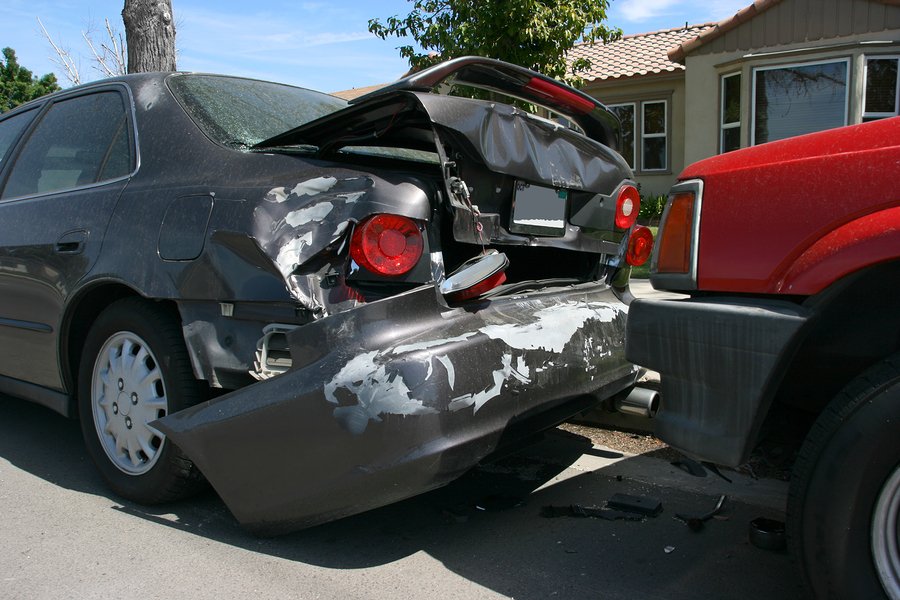
When Is A Rear End Collision Not Your Fault? Contact Us Sarah John’s Legal Writer Usually, the driver who hits the other car from behind is at fault. However, if the driver in front suddenly stops in the middle of the road without a valid reason, and your car hits them from behind, they could be held responsible for the accident. Nevertheless, the car accident hit from behind settlement is impossible to predict beforehand. In case of an accident, Hamilton Douglas Legal panel of solicitors can help you make a claim. Table of Contents Get In Touch With Your Local Office: With local knowledge and a national network of experts, we have the experience you can count on. Contact Us Relevant Topics: Road Traffic Accident Accidents In Public Accident at Work Medical Negligence Claims Serious Injury Claims Asbestos Claims Motorcycle Accident Claims Taxi Accident Claims Slip Trip And Fall Claims Compensation Calculator Whiplash Claims How Can I Prove That I Am Not At Fault In A Car Accident? If you’ve been involved in a rear-end car crash and want to prove you weren’t at fault, it’s important to understand the fault determination process used to decide liability. Generally speaking, the driver who fails to keep a safe stopping distance is often held liable. However, there are several other factors that may influence how fault is determined in a car accident. The first step in proving that you are not at fault in a car accident (and reducing the risk of insurance disputes) is to gather evidence from the scene of the crash. This can include photos of the damage done to your vehicle and any debris from either party’s cars. Additionally, it may be possible to obtain eyewitness accounts from anyone who witnessed what happened leading up to and immediately after the crash. Who Is At Fault In A Rear-End Collision? When Is A Rear-end Collision Not Your Fault? When it comes to a car rear end crash, determining who is at fault can be complicated and confusing. Such accidents often occur in heavy traffic due to one driver not keeping a safe distance from the vehicle ahead. So who is liable when such an accident occurs? In most cases, the car that hits you from behind is held responsible for any resulting damages or injuries. This is because drivers are expected to keep a safe distance from other vehicles on the road and anticipate sudden stops in traffic. The driver of the rear car must pay for any damage caused by their failure to maintain an appropriate following distance. However, if both cars were travelling at excessive speeds or if either driver was distracted while operating their vehicles, liability may be shared between both parties. What Is A Rear End Shunt Collision? A rear-end car crash is a common type of car accident that occurs when one vehicle strikes the back of another vehicle. This type of rear-ender can cause significant damage to both cars and can lead to serious injuries for those involved. Rear-end collisions are usually caused by an inattentive or distracted driver who isn’t paying attention to the road ahead or reacts too late when they see another car stopped in front of them. With its beautiful landscapes and ever-changing weather, Scotland presents drivers with unique challenges. The weather can change rapidly, with a bright, sunny day transforming into heavy rain. This can reduce visibility and make the roads slippery, increasing the risk of rear-end collisions. In cities such as Glasgow, rear-end collisions are common due to heavy traffic, sudden pedestrian stops, and braking at traffic signals. The busy city roads, lined with historic buildings and filled with pedestrians, require that drivers maintain a safe distance between their vehicles and the vehicle in front of them. Injuries sustained during a rear ended car collision can range from minor soft tissue damage, such as whiplash, to more severe lacerations and fractures resulting from impact with the windshield or dashboard. Regardless of the severity of the crash, individuals should always seek medical attention immediately following any accidents – even if there are no visible signs of injury. A doctor will be able to assess any potential damage and provide appropriate treatments if necessary. Satisfied Clients 0 K+ Dedicated Experts 0 + Client Rating 0 Compensation Recovered £ 0 + Million Common Factors: If You Are Rear Ended, Who’s At Fault If you’ve been involved in a rear-end collision in Scotland, you may be wondering who is at fault. This can be a difficult question to answer, but there are some common factors that will help determine the responsible party. The first factor is whether or not the driver or the car behind was paying attention to the road and maintaining a safe distance between vehicles. If it has been determined that they weren’t paying attention or were too close, then they will likely be held responsible for any damage done to your vehicle as well as any injuries you may have suffered due to the accident. Our panel of no win no fee solicitors in Scotland can help people who have been involved in rear-end collisions understand their rights and responsibilities for the damages caused by these accidents; they can also guide you if you want to cancel a claim. Who Is Liable In A Rear-end Shunt Accident? The unfortunate reality of road accidents is that they can befall anyone at any time. Rear-end shunts are a common form of car accident, and they can result in serious injury or even death. When this happens, it’s important to know who is liable for the resulting damages. A rear-end shunt occurs when one car hits another car from behind while driving. The driver in the back is usually considered liable for the accident because it is their responsibility to maintain a safe distance between cars and avoid collisions. However, there are certain circumstances that may shift blame away from them, such as if the leading vehicle suddenly brakes without
How Long Does A Personal Injury Claim Take To Settle UK?

How Long Does A Personal Injury Claim Take To Settle? Contact Us Sarah John’s Legal Writer The time required to settle an injury claim can vary greatly. If the responsible party accepts liability, a claim may take 6–12 months. Complex claims, with liability disputes, can take 12–18 months – the more complex a case, the longer it takes. Table of Contents Get In Touch With Your Local Office: With local knowledge and a national network of experts, we have the experience you can count on. Contact Us Relevant Topics: Road Traffic Accident Accidents In Public Accident at Work Medical Negligence Claims Serious Injury Claims Asbestos Claims Motorcycle Accident Claims Taxi Accident Claims Slip Trip And Fall Claims Compensation Calculator Whiplash Claims What Can Affect The Length Of A Personal Injury Claim? Many things can affect how long does a compensation claim take to settle, such as: How bad the injury or illness is. E.g., a severe head or brain injury takes longer to heal than whiplash. How the accident happened, and whether any medical treatment was carried out incorrectly. Whether the defendant accepts responsibility or not. How long is it expected to take you to recover from your illness or injury fully? How long it may take the solicitor handling your case to collect medical evidence? If the defendant is unknown, such as in a hit-and-run accident. Find out how many personal injury claims go to court every year? What Is The Average Time It Takes To Settle A Claim? Personal injury claims can take anywhere from several months to several years to settle in the UK, depending on the complexity of the case. Understanding the typical duration for each type of personal injury claim can help individuals in the UK make informed decisions about their best legal options. Personal injury lawyers Scotland are equipped with the knowledge and experience to provide guidance on these matters. If you’re wondering how long do injury claims take to settle, this table outlines typical durations for various types of claims in the UK. Edit Type of personal injury claim Claim duration Road accident claims 3 to 9 months Work accident claims 5 to 10 months Medical negligence claims 12 to 36 months Industrial disease claims 12 to 18 months Accident in public 6 to 12 months MIB claims (uninsured drivers) 3 to 8 months CICA claims (criminal assault) 12 to 24 months In Scotland, personal injury claims are generally subject to a three-year time limit known as the “prescription period.” This means that a person who has suffered an injury or illness must begin legal proceedings within three years of the accident or the date they became aware of their injury or illness. If the claim is not made within this time frame, the claimant may lose their right to compensation. There are some limited exceptions to the three-year time limit, such as for claims involving children or individuals with disabilities. In most cases, the time limit is strict, although the court can allow exceptions in limited circumstances. Therefore, if three years have passed since the date of the accident, it is unlikely that you will be able to make a personal injury claim in the UK. Does The Type Of Accident Affect How Long A Personal Injury Claim Can Take? The type of accident will influence how long it takes for your claim to be resolved. The following timeline estimates how long it will take to settle your claim: Road Traffic Accidents: If you’re specifically asking, “How long does a car insurance claim take to settle UK?” the timeframe often depends on factors such as the severity of the accident and liability issues. Road traffic accidents are one of the most common causes of personal injury, and RTA claims arising from these accidents usually take several months to resolve. This is because insurance companies need time to assess liability and gather medical reports or other evidence before making compensation payments. How Long Does a Car Accident Claim Take to Settle? Car accident claims can take between 12 and 18 months to settle. There is no definite answer to how long car accident claims take to settle, but as a rule of thumb, it is common for these claims to take around a year to a year and a half. However, the average time for settling car accident claims in Scotland ranges from a few months to several years. The length of time depends on the circumstances surrounding the accident, the severity of the injuries, and the complexity of the claim. Satisfied Clients 0 K+ Dedicated Experts 0 + Client Rating 0 Compensation Recovered £ 0 + Million What Factors Could Affect How Long A Claim Takes? Settling a car accident claim can take different amounts of time, depending on certain factors; the following are some factors that could lengthen or shorten your claim process. Type Of Accident: If your accident was straightforward, such as someone bumping into the back of your car at a traffic light, your claim might settle quickly. However, your claim could take longer to resolve if it’s unclear who caused the accident or if many cars were involved. The Extent Of Your Injuries: If you have a few bruises or a minor whiplash, your claim might not take long to process. However, if you have serious injuries, you’ll likely need numerous medical check-ups and treatments. The claims process can’t finish until your treatment does, or there is an accurate estimate of how much your future treatment will cost, because your compensation should cover all your medical expenses. How Much Money Is Involved: If you only claim a small amount, the insurance company might pay up after a simple investigation. However, if the claim value is high, the insurer may negotiate and offer a lower amount; this could make the claims process longer. The Insurance Company’s Actions: How quickly the insurance company processes your claim can also affect how long you wait. If they drag their feet or try to
How Long Does A Car Insurance Claim Take To Settle UK?

How Long Does A Car Insurance Claim Take To Settle UK? Contact Us Sarah John’s Legal Writer Car accident claims can take between 12 and 18 months to settle. There is no definite answer to how long car accident claims take to settle, but as a rule of thumb, it is common for these claims to take around a year to a year and a half. However, the average time for settling car accident claims in Scotland ranges from a few months to several years. The length of time depends on the circumstances surrounding the accident, the severity of the injuries, and the complexity of the claim. Table of Contents Get In Touch With Your Local Office: With local knowledge and a national network of experts, we have the experience you can count on. Contact Us Relevant Topics: Road Traffic Accident Accidents In Public Accident at Work Medical Negligence Claims Serious Injury Claims Asbestos Claims Motorcycle Accident Claims Taxi Accident Claims Slip Trip And Fall Claims Compensation Calculator Whiplash Claims How Long Do Insurance Claims Take? Every situation is unique, so it is difficult to estimate precisely how long an insurance claim will take, but a simple post-accident checklist can help you gather what insurers need faster. Getting in contact with your insurance and requesting an estimate of how long it could take, depending on your circumstances, is the best thing you can do. The time it takes to handle things can vary depending on things like who was responsible, the severity of the damage, and how complicated the claim is. To have a better understanding of what to anticipate, it is always wise to ask your insurer straightforward questions. If My Car Is Written Off, How Long Before I Get Paid Out In The UK? Many individuals question, “If my car is written off how long before i get paid out uk?”—it depends on a few factors. The key determinants are the complexity of the case and the extent of damage the insurance company must pay for. For instance, your claim can be paid in around one week if the damage is just cosmetic—a few bumps. However, it might take up to a month if your vehicle is written off and you have comprehensive insurance. This is so because the insurance provider will have to decide on the value of your vehicle. Usually, after evaluating the damage, they will determine the payment amount depending on the value of the car. Depending on your coverage, they might even have to collect the vehicle before paying you out. The tricky part is that any dispute about who caused the accident might cause delays even more. Insurers can disagree on who is accountable, which can cause months of delay in the process. If you are judged to be at fault, you might not get your excess back. Still, the key is to provide as much unambiguous information about the situation as you can. Be honest with your insurer and ensure you have all the information; this will assist in expediting matters. Provide Accurate Details About The Accident When handling car accident claims, it’s crucial to provide accurate and honest information about what transpired. Add details about the location, weather, and any damage done. Leave nothing out or attempt to change the facts; this will either slow things down or maybe even nullify your claim. Accurate information enables your insurer to do all tasks quickly and prevent needless delays. Follow Up Regularly With Your Insurer Make sure you follow up with your insurance every so often to help things move along. If they need additional information or haven’t updated you, a brief phone call or email might remind them. Maintaining contact shows your seriousness about your claim and may expedite the procedure, therefore preventing you from being kept waiting around more than necessary. Cooperate Fully With Claims Adjusters Be as cooperative and responsive as possible when a claims adjuster contacts you. Clearly answer their enquiries and provide any further information they need. The more cooperative you are, the faster they will evaluate your case and move things forward. Being sluggish or difficult will just postpone your claim; hence, be neat and on top of things to expedite the procedure. Satisfied Clients 0 K+ Dedicated Experts 0 + Client Rating 0 Compensation Recovered £ 0 + Million What Factors Could Affect How Long A Claim Takes? Complexity Of The Accident Or Claim Car insurance claims aren’t always straightforward. It might take more time to figure out a complicated accident, such as one with many cars involved or with unclear liability. The more information the insurer must find out about, the slower the procedure will be, and timelines can extend further if the claim goes to court. The simpler the matter is, the quicker the claim should be; if there are injuries or disagreements over damages, it might postpone things even more. Availability Of Required Documents Not having certain documents available might cause delays if your insurance requires them—accident reports, pictures, medical records, etc. Make sure you have everything they may possibly want early on. The claim can be handled faster if you quickly provide the right papers. Organising helps to speed things up, as missing or incomplete records may slow down the whole process. Insurance Company’s Processing Time One of the biggest factors in how long does an insurance claim take is the insurance company itself. While some insurers might take more time, others are faster in managing claims. Their workload, the complexity of the case, and their speed of evaluation of all the data typically determine the duration. If they are backed up or slow to react, your claim may settle more slowly. Disputes Over Liability The claim procedure might be considerably slowed down in case of a dispute over who caused the accident. When insurers cannot agree, it might take more time to determine who should pay the damages. Sometimes, the problem can even demand that you seek assistance from No
Can I File A Personal Injury Claim Without A Lawyer?

Can I File A Personal Injury Claim Without A Lawyer? Contact Us Sarah John’s Legal Writer How to Claim By Yourself (The Process) Notifying the Insurer About the Accident: Sharing Injury Details and Evidence of Damages Attending a Medical Assessment Organised by the Insurer: Reviewing the Insurance Company’s Settlement Offer If you’ve been hurt and want to seek compensation, you may be wondering whether you really need to hire a personal injury lawyer. The truth is, you do not have to. You have every right to manage your personal injury claim without a solicitor. It can seem tempting, especially if you want to save litigation fees or if the injury appears minor. However, many pitfalls of self-representation can make entering the claims procedure without experienced assistance difficult and even harmful. By going it alone, you will communicate directly with the insurance company. That may sound simple, but keep in mind that insurance companies are always trying to pay out as little as possible. That is why many people choose to have a personal injury solicitor on their side. These professionals are familiar with the claims procedure and can assist you in obtaining a fair settlement that adequately compensates you for your damages and injuries. It is possible to handle a claim on your own, but you must first understand the process and recognise when you may need further assistance. If you decide to go this path, be prepared to gather the necessary proof, understand the value of your claim, and negotiate carefully. However, if you want to make sure that you do not miss out on any potential compensation, speaking with a personal injury lawyer can make all the difference. After all, with experienced guidance, you’re more likely to receive a greater settlement and avoid costly mistakes along the way. Table of Contents Get In Touch With Your Local Office: With local knowledge and a national network of experts, we have the experience you can count on. Contact Us Relevant Topics: Road Traffic Accident Accidents In Public Accident at Work Medical Negligence Claims Serious Injury Claims Asbestos Claims Motorcycle Accident Claims Taxi Accident Claims Slip Trip And Fall Claims Compensation Calculator Whiplash Claims Making a Personal Injury Claim Directly Through an Insurer If you opt to handle your personal injury claim without a lawyer, you will deal directly with the insurance company. For some people, this can work well, especially if the case is simple. However, many others quickly discover that the process is not as simple as it appears. When considering how to make a personal injury claim yourself UK, you must be prepared for the hurdles that lie ahead. One of the biggest challenges when making a personal injury claim without solicitor is knowing exactly what you can claim for. Without expert assistance, you may be unaware of the difference between general and special damages, potentially resulting in missing out on compensation for some damages. Furthermore, understanding what evidence you require and how to gather it can be difficult, especially if you have never dealt with personal injury claims before. Another issue is negotiating with the insurer. Insurance companies are experts at minimising compensation, and without legal representation, you may struggle to get a reasonable settlement. Even if your case is strong, you may face denials of liability. All of these problems might make the process frustrating and leave you wondering if you’re getting the compensation you deserve. Understanding the Personal Injury Claims Process Without Solicitor If you decide to handle your injury claim on your own, you must strictly adhere to the procedure. A personal injury claim without lawyer can be possible, but you must first understand the steps involved. Start by contacting the insurance and giving documentation of your injuries and damages. As you move forward, you may encounter obstacles such as poor settlement offers or delays. Knowing how to make a personal injury claim without a lawyer will help you avoid these obstacles. Notifying the Insurer About the Accident: The first step in understanding the personal injury claims process without a solicitor is to notify the insurer of the accident. You must submit important information, such as the date and location of the accident, as well as how it happened. This information allows the insurer to start the process of analysing your claim. Sharing Injury Details and Evidence of Damages Next, you’ll need to describe your injuries and how they’ve affected your life. This is about more than simply what happened; it’s also about how it affects you. You will also need to show evidence of any financial damages, such as medical bills, medicine receipts, and lost wages. These records allow the insurer to see the big picture, ensuring you receive the compensation you deserve for both the physical and financial costs of the accident. Attending a Medical Assessment Organised by the Insurer: During the claims process, the insurance company may request that you consult a doctor of their choosing for a medical evaluation. This is to confirm the extent of your injuries and how serious they are. While it may feel a bit intimidating, think of it as a necessary step to ensure your injuries are properly understood and documented—helping you get the right compensation for your recovery. Reviewing the Insurance Company’s Settlement Offer After reviewing all the information, the insurer will issue a settlement offer. At this point, you must decide whether to accept the offer or try to negotiate a better price. It is important to carefully consider if the offer completely covers your injuries and financial damages. If you’re unsure, it might be wise to seek legal advice before making a decision. Satisfied Clients 0 K+ Dedicated Experts 0 + Client Rating 0 Compensation Recovered £ 0 + Million Tactics Insurers Might Use to Limit Your Compensation? When dealing with an insurance company after an accident, keep in mind that they are businesses that are focused on protecting their profits. To do this, insurers may use a variety of
A Guide On No Win No Fee Hidden Charges and Costs

A Guide On No Win No Fee Hidden Charges and Costs Contact Us Sarah John’s Legal Writer No Win No Fee Charges Explained: A No Win No Fee agreement, also known as a “Conditional Fee Agreement” (CFA), can be a real lifesaver when you need legal help but are worried about the costs. It is often referred to as a “Speculative Fee Agreement”, but what does it mean? When you enter a No Win No Fee agreement with Personal Injury Solicitors in Scotland, it basically means that you won’t have to pay your solicitor’s fees if your compensation claim isn’t successful. It’s a risk-free way of making a legal claim because you don’t have to worry about extra legal expenses if you don’t win. However, Can You Make A No Win No Fee Claim? If you are unsure whether you can make a claim, contact a No Win No Fee Solicitor; they will review your case and guide you on whether it is eligible for No Win No Fee. Table of Contents Get In Touch With Your Local Office: With local knowledge and a national network of experts, we have the experience you can count on. Contact Us Relevant Topics: Road Traffic Accident Accidents In Public Accident at Work Medical Negligence Claims Serious Injury Claims Asbestos Claims Motorcycle Accident Claims Taxi Accident Claims Slip Trip And Fall Claims Compensation Calculator Whiplash Claims No Win, No Fee battle cost me £300,000 No win no fee can sound like the ideal deal, and in some cases, it can help people get access to justice when they do not have money ready at the start. The message sounds simple and appealing. If you lose, you pay nothing, and if you win, you get compensation. That is the sales pitch many people hear. The problem is that the real picture can be more complicated. In some cases, a person can win their claim and still end up under serious financial pressure. Take the example of a small business owner, Fiona McLean from Dundee. She brought a professional negligence claim and used a conditional fee agreement to fund the case. The claim settled before it reached a full court hearing. On paper, it looked like a success because the case was won and compensation was paid. However, the settlement did not fully cover the legal costs linked to the claim. Fiona was still responsible for the costs that had built up during the case. That can include her own solicitor’s fees after a successful outcome. It can also include a success fee and the cost of after-the-event insurance, depending on the agreement. If the compensation is lower than expected, those charges can take a large share of what is recovered. In Fiona’s case, the shortfall left her with legal bills of around £300,000. She had to sell assets from her business and home to deal with the pressure. A result that looked like a win ended up as a loss. Stories like this are one reason why many people now question the phrase no win no fee. The wording sounds clear, but it can hide the risk that sometimes people may still have to pay some costs after a successful claim. That risk needs to be explained in plain language before anyone signs. These agreements can still be the right option in some situations. They can help people move forward with a claim they could not otherwise afford. But they should be reviewed carefully, and it is often wise to compare other funding options before making a decision. Advantages Of The No Win No Fee Policy: This type of agreement comes with several advantages that could make your life a whole lot easier when you’re dealing with a legal claim: Minimal Financial Risk: The most significant advantage of a No Win No Fee policy is that it reduces the financial risk involved in making a claim. If your claim isn’t successful, you won’t be left with a hefty legal bill you can’t afford. This makes sure that everyone has access to legal representation, regardless of their financial situation. Motivated Solicitors: With a No Win No Fee policy, your solicitor only gets paid if they win your case. This gives them a strong incentive to do their best to ensure your claim is successful. It’s in their best interest to work hard on your case, which works in your favour. Peace of Mind: Dealing with a legal claim can be stressful, but a No Win No Fee policy can give you peace of mind. You can focus on your recovery rather than worrying about how you will afford legal fees. Access to Justice: No Win No Fee arrangements open the door to justice for people who might not have been able to afford legal representation otherwise. This ensures everyone has the opportunity to have their case heard. So, as you can see, choosing a No Win No Fee policy has plenty of advantages. It’s all about making sure you can get the legal help you need, regardless of your financial situation. We Protect You From No Win No Fee Hidden Costs: Here at HD Claims, we stand for honesty, transparency, and fair dealings. We understand that legal jargon and hidden costs can make the process daunting. So, we make sure to protect you from any hidden costs in No Win No Fee arrangements. Here’s how we do it: Upfront Communication: From the very start, we’ll explain all the potential costs associated with your case. We ensure you understand what a No Win No Fee arrangement means, including the potential success fee if you win your case. In Scotland, this fee is usually up to 20% of your compensation, but we’ll confirm the exact amount with you before we get started. No Hidden Costs: Our commitment is to avoid hidden costs; you will not be charged extra or surprise fees. Our agreement is based on the principle that you won’t pay our fees if you don’t
How To Protect Yourself From Road Accidents?

How To Protect Yourself From Road Accidents? Contact Us Sarah John’s Legal Writer Staying safe on Scotland’s roads starts before you turn the key. Traffic in towns and cities can be busy, while single-track routes and Highland passes come with their own challenges. This guide explains simple and practical ways to prevent road accidents that suit everyday driving across Scotland. Simple habits can help prevent accidents in challenging Scottish weather, such as rain, ice, or low bright sunshine that can dazzle through the windscreen. We will cover how to stay calm, keep a safe speed, and leave enough space between vehicles on motorways, A-roads, and country lanes. We will also note how to plan for fast-changing weather and long dark evenings. If you are involved in an accident, we will explain what to do to stay safe and collect the right details. We will touch on the help available in Scotland, including help with Road Traffic Accident Claims, so you understand your choices. Read on for practical steps you can use today. Table of Contents Get In Touch With Your Local Office: With local knowledge and a national network of experts, we have the experience you can count on. Contact Us Relevant Topics: Road Traffic Accident Accidents In Public Accident at Work Medical Negligence Claims Serious Injury Claims Asbestos Claims Motorcycle Accident Claims Taxi Accident Claims Slip Trip And Fall Claims Compensation Calculator Whiplash Claims Why Road Safety Matters More Than Ever In 2024, there were 5,576 casualties on our roads, including 160 people who sadly lost their lives, so every good habit that helps reduce the risk of accidents matters. These figures remind us that daily choices add up to safer journeys for everyone. Rural routes remain a particular concern because higher speeds increase the chance that mistakes become fatal. Give yourself time, look well ahead for bends and hidden junctions, and be ready for sudden changes such as animals, farm vehicles, or narrow passing places. Speeding is also a serious problem on town and city streets. In 2024, about 43 per cent of drivers went over the speed limit on 30 mph roads, which are the same roads used by people walking and cycling. Sticking to the limit gives you more time to react, helps you see dangers sooner, and makes a real difference in keeping everyone safe. Shocking Statistics About Road Traffic Accidents In The UK In 2024, road safety in Great Britain showed both progress and ongoing risk. There were 1,602 deaths and 29,467 seriously injured, for a total of 128,272 casualties of all severity levels. Scotland accounted for a smaller share of the total, yet the impact remains significant. In 2024, there were 5,576 casualties in Scotland, and fatalities rose from 147 in 2023 to 160. The numbers also show that risk remains high per mile driven. Great Britain recorded 4.7 deaths for every billion vehicle miles in 2024, slightly better than 2023 but still far from safe. Keeping to safe speeds and paying close attention to the road are the simplest ways to make every journey safer. Common Causes Of Road Accidents You Can Avoid Most crashes start with simple human mistakes. Police data show that failing to look properly is the most common factor in reported collisions, with negligence or being in a hurry also high on the list, so unhurried scanning of the road and clear signalling go a long way. Plan your moves early and keep space so others can see what you want to do. Speeding and driving too close to other vehicles greatly increase the risk of serious crashes. In Scotland, actions such as travelling too fast for the conditions, tailgating, or breaking the speed limit are involved in about one in five fatal collisions. Choosing a gentler pace is a practical road accident prevention that really can reduce the risk of accidents. Distraction and fatigue also erode judgment. Put the phone out of reach, keep music at a level that lets you hear the road, and take regular breaks on long drives along A-roads or single-track routes. Small steps like these help you stay alert and reduce the risk of accidents in all seasons. Top 5 Ways To Protect Yourself From Road Accidents Keep your speed steady and pay attention to the road. Follow the speed limit and leave plenty of space between your car and the one in front. Slow down early for bends, hill brows, and villages on rural roads so you have time to react safely to anything unexpected. Stay focused and reduce distractions. Put your phone away, keep conversations calm and short, and scan mirrors and the edges of the road every few seconds. On single-track roads, use passing lanes properly by pulling in to allow oncoming vehicles to pass, waiting until the road is clear, and then moving off safely. Keep an eye out for cyclists, horseback riders, and deer, particularly around bends or in wooded areas. Prepare your car before you set off. Check tyre pressure and tread, lights, wipers, and screenwash, and set mirrors to reduce blind spots. In winter, pack extra warm clothes or a blanket, along with a torch and a small first aid kit, so you are ready if you have to wait for help. Plan your trip and rest in time. Choose to travel in daylight where possible, and allow extra time for weather and tourist traffic. Stop every two hours and swap drivers if possible so your mind stays sharp. Know what to do if a crash happens. Stop at once and do not consider driving away from an accident, then make the scene safe and exchange insurance details with other drivers (if there are any other drivers involved in the accident). Call 999 if anyone is hurt and report the accident to Police Scotland and your insurer as soon as you can Satisfied Clients 0 K+ Dedicated Experts 0 + Client Rating 0 Compensation Recovered £ 0 + Million How To Protect Yourself During
15 Common Mistakes Personal Injury Clients Make

15 Common Mistakes Personal Injury Clients Make Contact Us Sarah John’s Legal Writer Many people in Scotland use personal injury claims to seek justice and compensation after an accident. However, the road from the accident to the settlement is full of challenges and obstacles. As victims try to find their way through the legal system, they often make mistakes that can put their claims at risk. The complexity of Scottish law only adds to the confusion, and mistakes that might seem small can have major consequences. In this article, we’ll talk about the most common mistakes that personal injury clients in Scotland make and how to avoid them so that you proceed with your claim to get the compensation you deserve. Table of Contents Get In Touch With Your Local Office: With local knowledge and a national network of experts, we have the experience you can count on. Contact Us Relevant Topics: Road Traffic Accident Accidents In Public Accident at Work Medical Negligence Claims Serious Injury Claims Asbestos Claims Motorcycle Accident Claims Taxi Accident Claims Slip Trip And Fall Claims Compensation Calculator Whiplash Claims 15 Common Highlighted Mistakes Personal Injury Clients Make Here are the 15 most common mistakes that personal injury clients make during their claims. Mistake 1: Thinking A Claim Will Be Simple Personal injury claims in Scotland may seem simple. There’s an accident, someone suffers injuries, and they make a claim, but in reality, it is far from this simple. Scotland’s legal system has rules and processes that citizens must follow. Many people think that their case is clear-cut and that it will be easy to get compensation for their injuries; sadly, this rarely happens. It’s easy to feel overwhelmed by how hard it is to gather evidence, work with medical professionals, and negotiate with insurance companies. Even with the help of a lawyer, the road to a fair settlement can be filled with twists and turns. Personal injury law in Scotland isn’t for the faint of heart, and it’s important to approach it with a clear understanding of its complexities. Underestimating the process can lead to disappointment and may even prevent the victim from getting the compensation they deserve. Mistake 2: Believing you can deal direct without a lawyer In Scotland, it’s easy to think that taking care of your own personal injury claim is a simple way to save money. Many people assume their injury is so clear-cut that they don’t need a lawyer, but the risks of DIY claims can quickly lead them down a perilous path. Without a lawyer, dealing with insurance companies and court procedures can be like navigating through a maze without a map. Scottish law is complicated, and insurance companies are often ready to challenge claims. Without the expertise of personal injury solicitors Scotland, victims may find themselves overwhelmed, confused, and ultimately at a disadvantage. Choosing to go alone might seem like a good idea at first, but it can quickly lead to problems that put the compensation claim at risk. If you are thinking about handling the case yourself because you don’t want to spend extra on solicitor fees, consider using a No Win No Fee solicitor. A no win no fee claim is a good way to get justice as you don’t have to pay the solicitor fees upfront; you only have to pay your solicitor if your case is successful. Mistake 3: Trusting Insurance Companies In Scotland, insurance companies are at the centre of the world of personal injury compensation claims. Most of the time, they are the ones who pay compensation to the injured. However, putting all your trust in them is a common mistake that can have serious consequences. Insurance companies are businesses, and the primary goal of all businesses is to make money. Even though they may seem helpful and worried about your well-being, their main goal is usually to settle the Injury Claim Scotland as quickly and inexpensively as possible. In Scotland, where the legal system can be complicated, this could mean giving the victim a much smaller settlement than they deserve. Without the advice of a lawyer, people may fall into the trap of taking these low offers. Personal injury victims can avoid taking low payouts if they understand that insurance companies have their own goals. When those making claims are aware of this fact, they can negotiate with caution and attention, ensuring they get the fair compensation they deserve. Satisfied Clients 0 K+ Dedicated Experts 0 + Client Rating 0 Compensation Recovered £ 0 + Million Mistake 4: Failing to keep key evidence Having the right evidence to support your case is one of the most important parts of a good personal injury claim in Scotland. However, claimants often make the mistake of ignoring this important fact and not keeping key evidence. The time after road traffic accidents or any type of accident can be confusing and stressful, but it’s important to gather and keep evidence like photos, witness statements, and medical records; they can make or break a claim. Without them, it’s hard to show how bad the injuries are and how they relate to the accident. In Scotland’s court system, where the burden of proof lies with the victim, missing evidence can lead to a weak case and less compensation. Understanding the importance of evidence and taking steps to gather and preserve it as soon as possible sets the foundation for a strong claim. Whether it’s a slip on the pavement or a car accident, keeping track of the important details helps the legal process in Scotland proceed smoothly and gives the victim the best chance of getting a fair resolution. Mistake 5: Not Consulting With An Qualified Personal Injury Lawyer In Scotland, where personal injury law can be as confusing as a maze, having a qualified personal injury lawyer on your side is essential. Even so, some people do not seek guidance from a qualified lawyer with the knowledge and expertise their case needs. Opting for legal